How to Prevent Food Temperature Drift During Long Storage Periods: A Step-by-Step Guide
November 21, 2025

Maintaining optimal food temperatures during storage is crucial for safety and quality. Fluctuations in temperature can lead to spoilage, loss of nutritional value, and even foodborne illnesses. This guide will provide essential strategies for preventing food temperature drift, ensuring longevity and freshness in your food products.
Understanding the Importance of Temperature Control
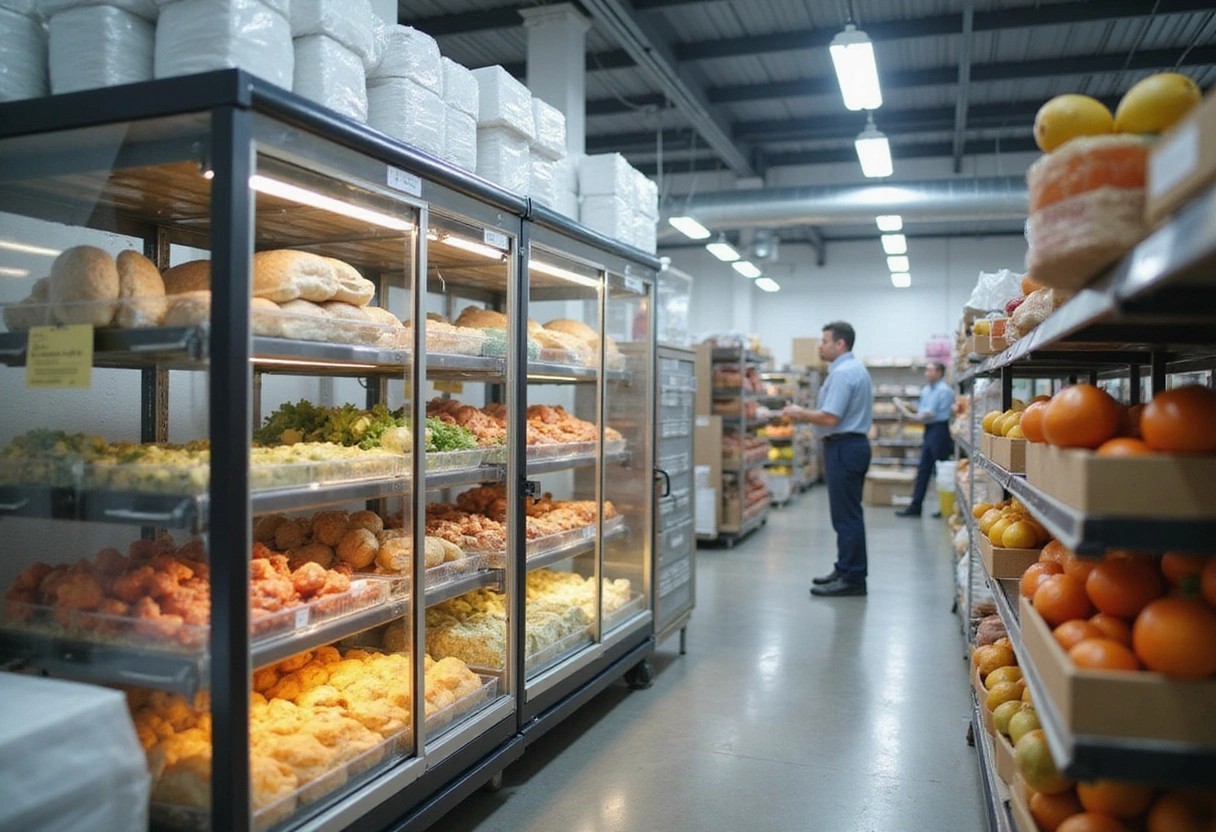
Temperature control in storage is vital for preserving the quality and safety of food products. When food is stored at improper temperatures, the growth of harmful bacteria can accelerate, leading to spoilage and potential health risks. For instance, perishable items like dairy and meat must be kept at specific temperatures to prevent pathogenic bacteria from multiplying. The USDA recommends that perishable foods should be stored below 40°F (4°C) to minimize these risks.
The risks associated with temperature fluctuations extend beyond mere spoilage. Temperature variations can cause physical changes in food, such as textural degradation, loss of flavor, and nutrient depletion. For example, freezing and thawing cycles can lead to freezer burn, affecting the quality of meat and vegetables. Consistent temperature management not only ensures food safety but also maintains the intended taste and texture of products, which is crucial for customer satisfaction.
Best Practices for Long-term Food Storage
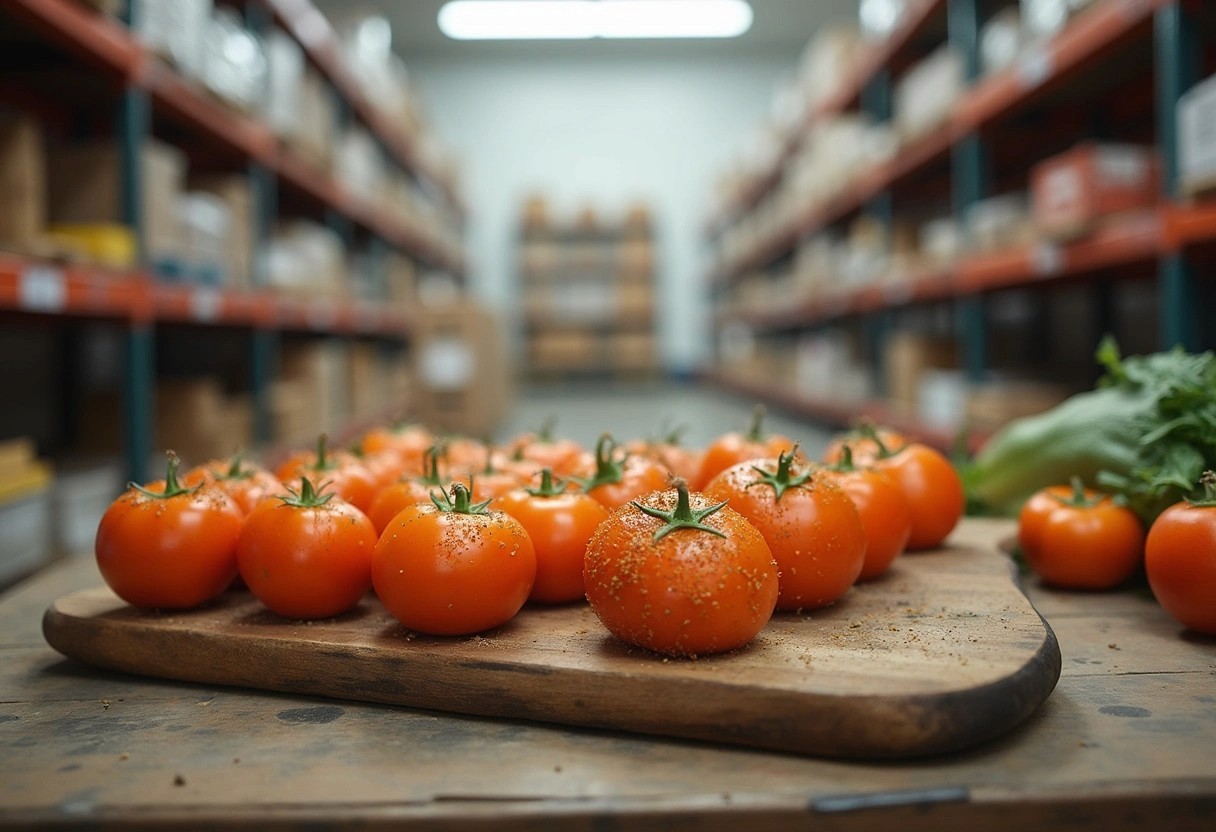
Implementing effective food storage best practices is essential for maintaining stable temperatures. One of the primary strategies is to ensure that storage areas are properly insulated. This includes using thermal barriers and ensuring that doors are sealed to prevent cold air from escaping. Regular maintenance of refrigeration units is also necessary to ensure they are functioning optimally and that there are no blockages in the airflow.
Selecting the right storage containers can significantly impact temperature stability. Containers should be airtight and made of materials that provide good insulation. Vacuum-sealed bags, for instance, are excellent for preventing air from entering, which can lead to temperature fluctuations. Additionally, consider using containers that are specifically designed for the type of food being stored, as this can enhance preservation and reduce spoilage rates.
Implementing Effective Temperature Monitoring Systems
Temperature monitoring systems are crucial in managing food storage conditions. There are several types of systems available, including manual thermometers, digital data loggers, and wireless monitoring solutions. Manual thermometers require frequent checks, while digital data loggers can provide continuous temperature readings and alerts when deviations occur. Wireless systems offer the added benefit of remote monitoring, allowing for real-time adjustments and notifications.
Best practices for regular monitoring include setting up a routine schedule for checking temperatures and calibrating equipment as necessary. It is essential to document temperature readings to identify patterns or recurring issues. In addition, training staff on the importance of temperature monitoring can foster a culture of compliance and awareness, ensuring that everyone understands their role in maintaining food safety.
Preventing Food Spoilage Through Proper Management
Recognizing the signs of spoilage is critical in preventing food waste. Common indicators include changes in color, texture, and odor. For example, meat may develop a slimy texture or a foul smell when it is no longer safe to consume. Regular inspections of stored food can help identify these signs early, allowing for timely action.
Strategies to minimize waste include implementing a first-in, first-out (FIFO) inventory system, which ensures older products are used before newer ones. Additionally, educating staff on proper handling techniques and storage practices can significantly reduce spoilage rates. Regular training sessions can reinforce the importance of food safety and encourage proactive management of stored items.
Exploring Bulk Food Storage Solutions
Bulk food storage solutions offer various benefits, including cost savings and efficiency. Storing food in larger quantities can reduce packaging waste and lower procurement costs. However, maintaining temperature in bulk storage settings presents unique challenges. Ensuring that bulk containers are appropriately designed for temperature control is essential, as larger volumes of food can take longer to cool or heat.
To maintain temperature in bulk storage, it is vital to monitor the environment closely. This includes using temperature monitoring systems that can handle larger storage areas and ensuring that airflow is not obstructed. Regular audits of bulk storage facilities can identify potential issues and help maintain optimal conditions for food preservation.
The Role of Protocol Foods in Food Temperature Management
Understanding how to prevent food temperature drift during long storage periods is essential for food and beverage manufacturers aiming to comply with safety standards and maintain product quality. Protocol Foods specializes in providing solutions that help ensure temperature control throughout the food supply chain. Our expertise in cold chain management and food quality management can assist plant managers, FSQA directors, and operations leaders in implementing best practices for food storage.
By focusing on effective temperature monitoring systems and robust food storage best practices, Protocol Foods can support your organization in achieving compliance and reducing spoilage. Visit our website or contact us for more information on how we can help you enhance your food safety protocols and improve your storage solutions. Together, we can ensure that your products maintain their quality and safety throughout their storage periods.
Regulatory Compliance
Let our team of experts help you implement the most efficient plan to stay in compliance.