Step-by-Step Guide: How to Build a Proactive Food Safety Compliance Strategy
December 11, 2025

Safety isn't just an obligation; it's a commitment to excellence. As the landscape of food safety regulations evolves, manufacturers and food service operators must stay ahead of potential risks and compliance challenges. This comprehensive guide will walk you through the essential steps to build a proactive food safety compliance strategy that meets regulations and safeguards your customers.
The Importance of Proactive Food Safety Management

Proactive food safety management is a critical aspect of any food and beverage operation. By implementing proactive measures, organizations can significantly reduce risks associated with foodborne illnesses, product recalls, and regulatory penalties. This approach emphasizes prevention rather than reaction, allowing businesses to address potential issues before they escalate into serious problems. For instance, regular monitoring of food handling practices can help identify unsafe behaviors that could lead to contamination.
Furthermore, building a culture of compliance fosters trust with consumers. When customers know that a business prioritizes food safety, they are more likely to choose that brand over competitors. This trust is not only vital for customer retention but also enhances the overall reputation of the company. In an era where information is readily available, consumers are more informed about food safety standards, making transparency and compliance essential for success.
Key Takeaways
Proactive measures significantly reduce risks in food safety management.
Compliance with regulations builds consumer trust and enhances brand reputation.
Key Components of a Compliance Strategy
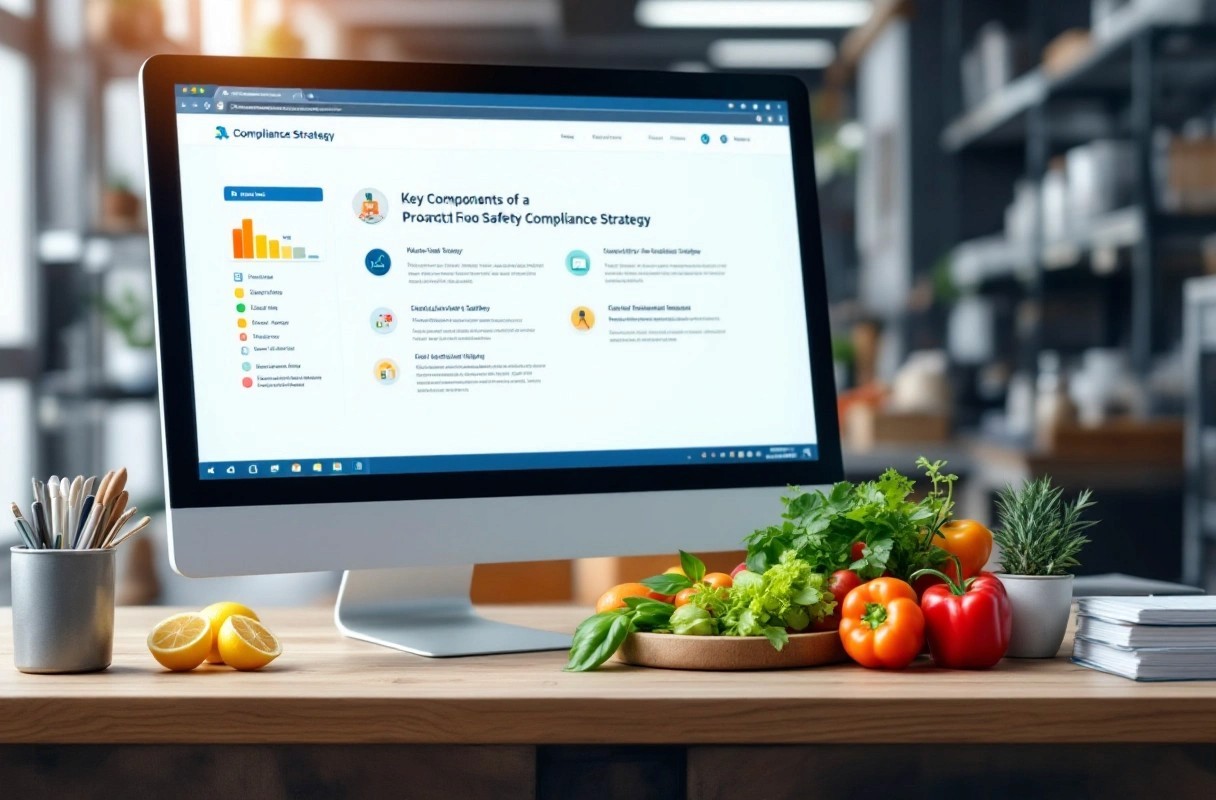
Creating a robust compliance strategy requires a clear understanding of the elements that contribute to effective food safety management. A well-structured compliance framework should encompass the following components:
Understanding Food Safety Regulations: Familiarize yourself with local, national, and international food safety regulations that apply to your operations. This includes guidelines set forth by organizations such as the FDA and USDA.
Developing Standard Operating Procedures (SOPs): Establish SOPs that outline specific practices for handling food safely. These procedures should be easily accessible and regularly updated to reflect current regulations and best practices.
Training and Education: Implement a comprehensive training program for all employees, ensuring they understand the importance of compliance and how to adhere to food safety standards.
Monitoring and Documentation: Consistently monitor compliance with SOPs and document all processes. This documentation is essential for audits and can help identify areas for improvement.
By integrating these components into your compliance strategy, you can create a framework that not only meets regulatory requirements but also promotes a culture of safety within your organization.
Key Components
Familiarize with food safety regulations.
Develop clear and concise standard operating procedures.
Implement employee training and continuous education.
Monitor and document compliance processes.
Conducting Effective Risk Assessments in Food Safety

Effective risk assessment in food safety is vital for identifying potential hazards and evaluating their impacts. This process involves several key steps:
Identifying Potential Hazards: Begin by mapping out all processes involved in food production, from sourcing ingredients to final packaging. Identify potential biological, chemical, and physical hazards that could compromise food safety.
Evaluating Risks: Once hazards are identified, assess the likelihood and severity of their impacts. This evaluation helps prioritize risks and determines the necessary controls to mitigate them.
Implementing Control Measures: Develop and implement control measures tailored to each identified risk. This may include monitoring temperatures, ensuring proper sanitation practices, or using protective equipment.
Reviewing and Updating Assessments: Risk assessments should not be static. Regularly review and update your assessments to reflect changes in operations, regulations, or emerging food safety threats.
Conducting thorough risk assessments not only helps in compliance but also enhances the overall safety of food products, protecting both consumers and the brand.
Steps for Effective Risk Assessment
Map out all processes and identify potential hazards.
Evaluate the likelihood and severity of risks.
Develop and implement control measures for identified risks.
Regularly review and update risk assessments.
Best Practices for Food Safety Training
Training staff on food safety is essential for maintaining compliance and fostering a culture of safety within the organization. Here are some best practices for effective food safety training:
Tailored Training Programs: Develop training programs that are specific to the roles and responsibilities of employees. For instance, kitchen staff may need different training compared to warehouse personnel.
Hands-On Training: Incorporate practical, hands-on training sessions that allow employees to practice safe food handling techniques. This approach reinforces learning and helps employees retain information.
Continuous Education: Food safety training should not be a one-time event. Regular refresher courses and updates on new regulations ensure that staff stays informed and compliant.
Promoting a Safety Culture: Encourage employees to take ownership of food safety practices. Recognizing and rewarding safe behaviors can motivate staff to prioritize food safety.
By implementing these best practices, organizations can ensure that employees are well-equipped to handle food safely, reducing the risk of compliance violations and enhancing overall food safety.
Best Practices Summary
Develop tailored training programs for specific roles.
Include hands-on training sessions for practical learning.
Provide continuous education and refresher courses.
Promote a culture of safety through recognition and rewards.
The Role of Food Safety Audits
Regular food safety audits are a critical component of any compliance strategy. They serve several important functions:
Ensuring Ongoing Compliance: Audits help verify that all food safety protocols and regulations are being followed consistently. This ongoing evaluation is essential for maintaining compliance and identifying areas for improvement.
Identifying Areas for Improvement: Audits provide insights into operational weaknesses that may not be apparent during regular operations. By pinpointing these areas, organizations can make necessary adjustments to enhance food safety practices.
Benchmarking Performance: Audits allow organizations to benchmark their performance against industry standards. This comparison helps identify best practices and areas where additional focus may be needed.
Documenting Compliance: Well-documented audit results serve as proof of compliance during regulatory inspections. This documentation can protect the organization from potential liabilities and reinforce its commitment to food safety.
Incorporating regular food safety audits into your compliance strategy not only helps maintain standards but also promotes a culture of continuous improvement.
Importance of Audits
Regular audits verify compliance with food safety protocols.
They help identify operational weaknesses and areas for improvement.
Audits allow for benchmarking against industry standards.
Well-documented audits serve as proof of compliance during inspections.
The Intersection of Food Safety and Compliance Strategy
Building a proactive food safety compliance strategy is essential for food and beverage manufacturers. As discussed, effective food safety management, robust compliance frameworks, thorough risk assessments, comprehensive training, and regular audits are all integral components. Protocol Foods understands the complexities involved in maintaining food safety standards and compliance.
By adopting these strategies, organizations can ensure that they not only meet regulatory requirements but also foster a safe environment for consumers. We offer resources and support to help manufacturers implement effective food safety compliance strategies tailored to their unique operational needs.
Regulatory Compliance
Let our team of experts help you implement the most efficient plan to stay in compliance.