Top Causes of Food Safety Incidents Inside a Manufacturing Line
November 11, 2025
With the stakes so high, manufacturers must remain vigilant in identifying and mitigating risks that could compromise food safety. This article explores the key causes of food safety failures on manufacturing lines and offers insights on prevention strategies to enhance compliance and quality.
The Impact of Food Safety Regulations on Manufacturing
Food safety regulations play a crucial role in shaping manufacturing practices. Regulations such as the Food Safety Modernization Act (FSMA) in the United States and similar legislation in other countries establish standards to ensure that food products are safe for consumers. These regulations mandate rigorous procedures for food handling, processing, and storage, compelling manufacturers to adopt best practices and maintain comprehensive documentation. Compliance is not merely a legal obligation; it is fundamental to public health and brand integrity.
Failing to comply with food safety standards can have dire consequences, including costly recalls, legal penalties, and damage to a company's reputation. For instance, a major food recall can lead to significant financial losses and a loss of consumer trust. Manufacturers who do not prioritize compliance with food safety regulations expose themselves to risks that can jeopardize their operations and the health of consumers. Understanding these regulations is essential for any organization in the food manufacturing sector.
Key Food Safety Regulations to Consider
Hazard Analysis Critical Control Point (HACCP): A systematic approach to food safety that identifies and controls hazards at critical points in the manufacturing process.
Good Manufacturing Practices (GMP): Guidelines that outline the minimum sanitary and processing requirements for food products.
Consequences of Non-Compliance
Legal ramifications, including fines and sanctions
Increased risk of foodborne illnesses
Loss of consumer trust and brand loyalty
Financial losses from product recalls and legal fees
Identifying Common Manufacturing Line Risks
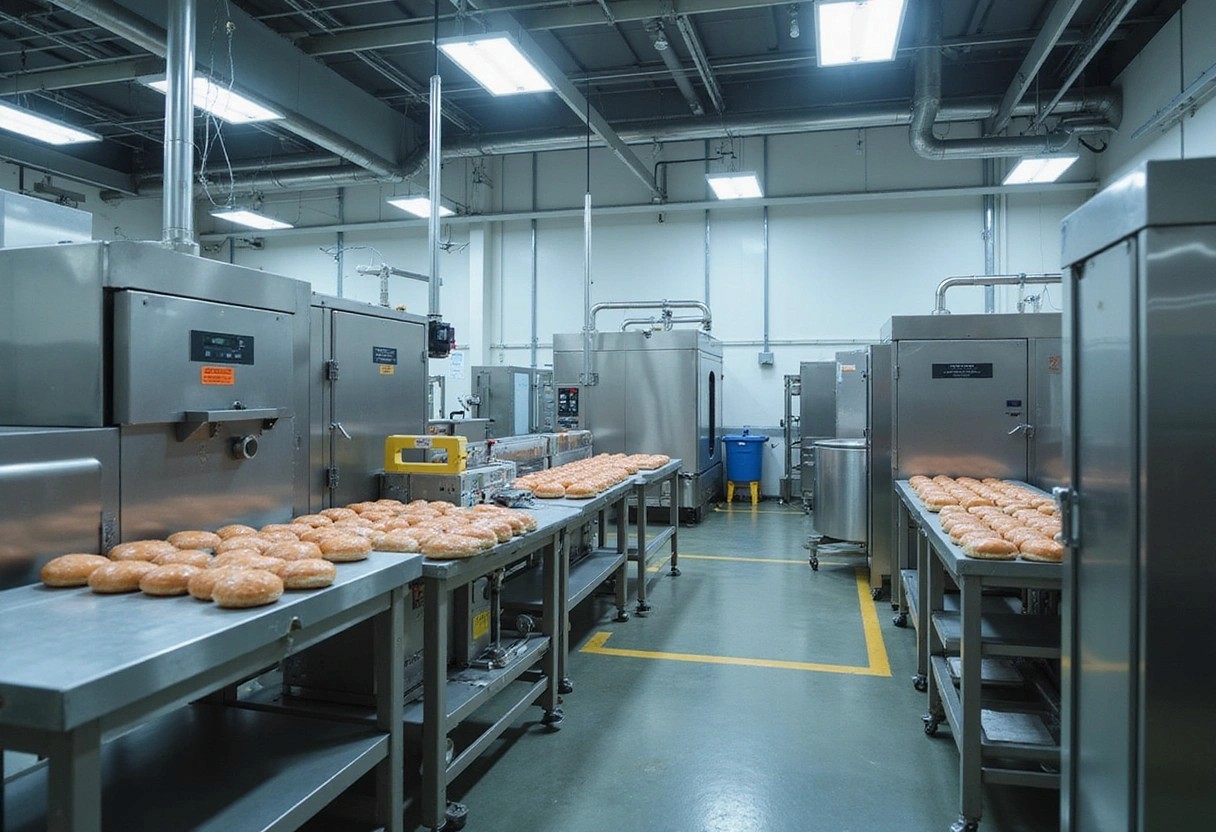
Manufacturing lines face various risks that can lead to food safety incidents. These risks can stem from equipment failures, human error, cross-contamination, and inadequate sanitation practices. A thorough understanding of these risks is essential for implementing effective safety measures.
Risk assessment techniques are vital in identifying potential hazards within the manufacturing process. By systematically evaluating each stage of production, manufacturers can pinpoint vulnerabilities that may lead to contamination. Regular risk assessments should include evaluating equipment functionality, employee practices, and environmental conditions.
Common Risks in Manufacturing Lines
Cross-contamination: This occurs when harmful bacteria or allergens transfer from one surface or product to another, often due to inadequate sanitation protocols.
Equipment malfunction: Faulty machinery can lead to food safety breaches, such as improper cooking or cooling temperatures.
Human error: Mistakes made by employees during food handling can introduce contaminants if proper training and protocols are not in place.
Importance of Risk Assessment Techniques
Identification of potential hazards before they lead to incidents
Development of targeted training programs for employees
Implementation of corrective actions to mitigate identified risks
Implementing Effective Safety Incident Prevention Strategies
Preventing food safety incidents requires a multifaceted approach that includes robust quality control measures. Manufacturers should establish comprehensive standard operating procedures (SOPs) that detail every aspect of the production process, from ingredient sourcing to final packaging.
Quality control measures play a significant role in maintaining food safety. These measures should encompass regular monitoring of critical control points and ensure that all employees are trained to recognize potential hazards. Continuous improvement processes should be part of the organizational culture, emphasizing the need for ongoing evaluation and adjustment of safety protocols.
Best Practices for Preventing Food Safety Incidents
Establish clear SOPs: Define protocols for every stage of production to minimize ambiguity and ensure consistency.
Implement regular training programs: Educate employees on food safety principles and the importance of their role in maintaining safety standards.
Conduct routine equipment inspections: Regular checks can identify potential issues before they escalate into significant problems.
Role of Quality Control Measures
Ensures compliance with food safety regulations
Identifies deviations from established processes
Provides a framework for continuous improvement and adaptation to new challenges
The Role of Food Safety Audits in Quality Assurance
Regular food safety audits are essential for quality assurance in manufacturing processes. These audits serve as a comprehensive evaluation of a company's adherence to food safety standards and practices. By conducting audits, manufacturers can gain valuable insights into their operational efficiency and identify areas for improvement.
Audits can help uncover weaknesses in manufacturing processes, such as lapses in sanitation or non-compliance with HACCP principles. Through thorough documentation and follow-up, audits ensure that manufacturers maintain high standards and address any deficiencies promptly.
Importance of Regular Food Safety Audits
Verification of compliance with food safety regulations
Identification of potential areas for improvement
Assurance of quality control measures and employee adherence to protocols
How Audits Identify Weaknesses
Comprehensive review of processes and documentation
Evaluation of employee training and awareness
Assessment of equipment maintenance and sanitation protocols
Understanding What Can Trigger a Food Safety Incident Inside a Manufacturing Line
The causes of food safety incidents within manufacturing lines are multifaceted and often interconnected. By recognizing the key factors that contribute to these incidents, food and beverage manufacturers can take proactive steps to enhance their safety protocols. Protocol Foods is committed to helping manufacturers navigate these challenges by offering tailored solutions that align with the latest industry standards.
As you’ve learned, understanding the causes of food safety incidents is vital for ensuring compliance and maintaining the integrity of food products. Protocol Foods can assist your organization in implementing effective food safety measures, training programs, and quality control systems.
For plant managers, FSQA directors, and operations leaders responsible for compliance and quality, we invite you to visit our website or contact us for more information. Let Protocol Foods be your partner in fostering a culture of safety and quality within your manufacturing operations.
Regulatory Compliance
Let our team of experts help you implement the most efficient plan to stay in compliance.