Top Causes of Temperature Deviations in Food Production: Seasonal Challenges Explained
November 27, 2025
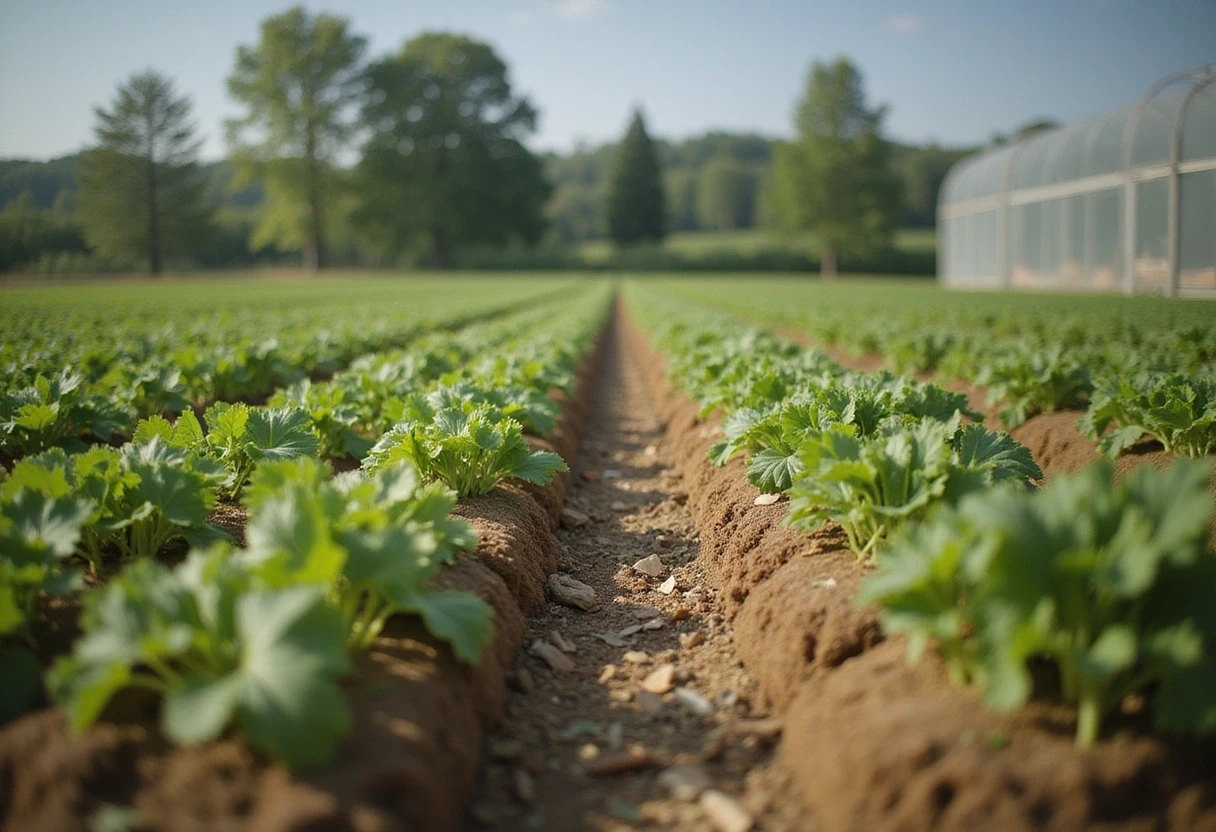
Temperature fluctuations can significantly impact food quality and safety, making it crucial to understand their causes. In the food production industry, temperature control is not merely a regulatory requirement; it is a fundamental aspect of maintaining the integrity and safety of food products. Deviations in temperature can lead to spoilage, loss of nutritional value, and even health risks for consumers. This article explores the top causes of temperature deviations in food production, highlighting seasonal challenges and offering insights into effective temperature management.
The Importance of Temperature Control in Food Production
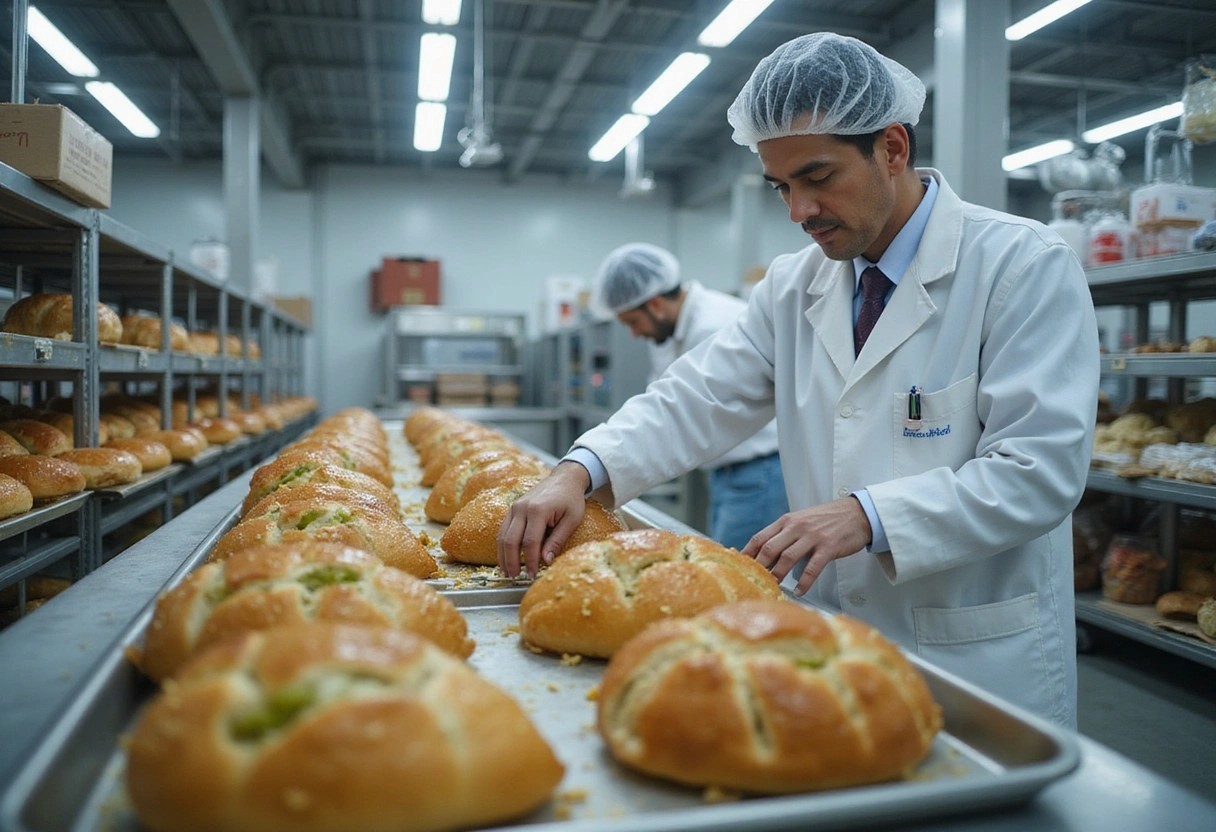
Temperature control in food production is essential for ensuring food safety and compliance with established guidelines. Regulatory bodies like the FDA have stringent food safety temperature guidelines that food manufacturers must adhere to in order to prevent the growth of harmful bacteria. Maintaining the correct temperature throughout the food production process is vital for meeting these regulations and protecting public health. For instance, perishable items such as dairy products and meats require specific temperature ranges to prevent spoilage and ensure safety.
In addition to compliance, effective temperature control plays a critical role in maintaining food quality and extending shelf life. When food is stored or processed at inappropriate temperatures, its texture, flavor, and nutritional value can deteriorate. For example, fruits and vegetables may lose their crispness and vibrant color if not kept within recommended temperature ranges. Thus, establishing robust temperature control measures is not just about safety; it is also about preserving the quality that consumers expect from food products.
How Seasonal Changes Affect Temperature Stability
Seasonal changes pose unique challenges to temperature stability in food production and storage. During summer months, elevated outdoor temperatures can lead to significant heat buildup in storage facilities. This can be particularly problematic in warehouses that lack adequate cooling systems. For example, if a cold storage facility is not properly insulated or air-conditioned, the internal temperature may rise, leading to the risk of food spoilage. Manufacturers must be vigilant during these months to ensure that cooling systems are functioning optimally and that temperature monitoring is continuously performed.
Conversely, winter months present their own set of challenges. Cold temperatures can affect the production processes, especially if machinery or storage areas are not properly heated. For instance, if a production facility does not maintain adequate temperatures during cold spells, the viscosity of certain food products may change, affecting the consistency and quality of the final product. To mitigate these seasonal impacts, it is important for food producers to have contingency plans in place, including backup heating and cooling systems.
Technologies to Monitor and Regulate Temperature
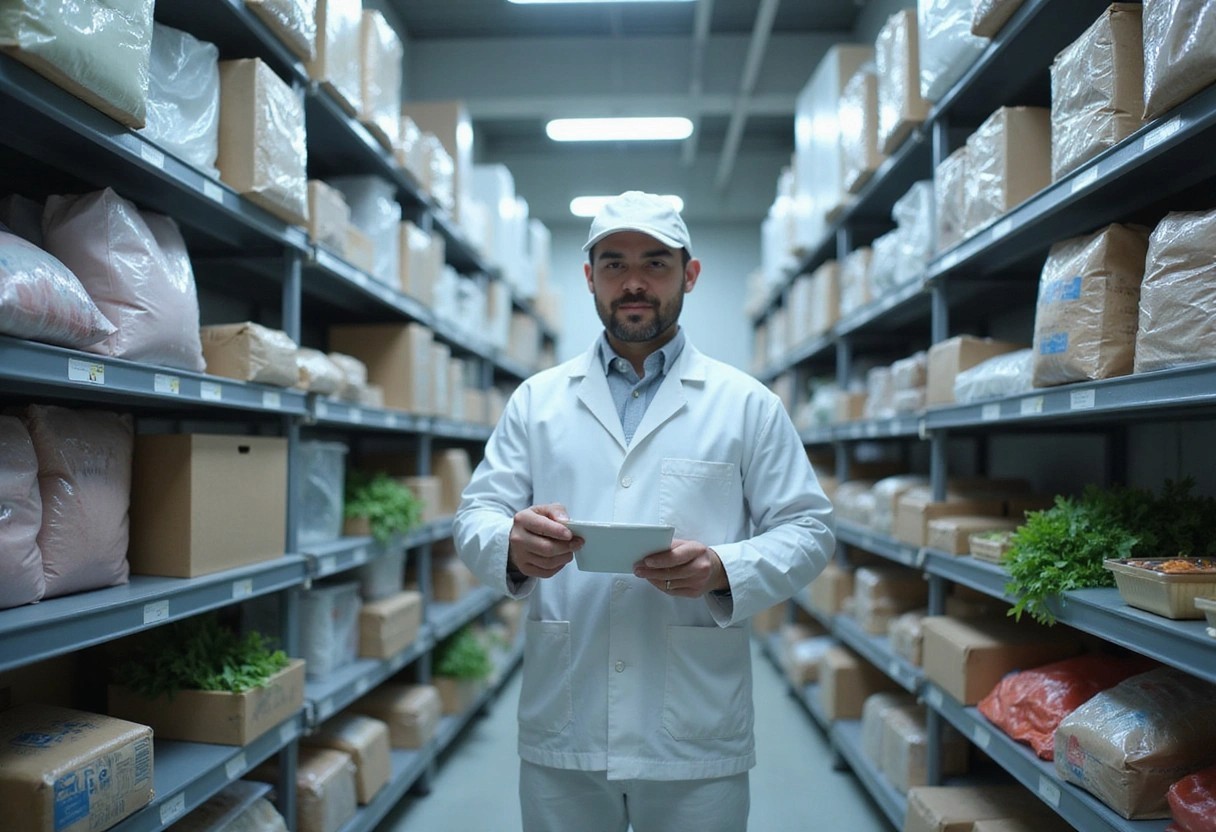
Implementing advanced temperature monitoring systems is crucial for maintaining optimal conditions in food production. These systems can range from simple thermometers to sophisticated IoT-enabled sensors that provide real-time temperature tracking. Many modern systems offer remote monitoring capabilities, allowing plant managers to receive alerts if temperatures deviate from preset thresholds. This proactive approach can help prevent potential spoilage and ensure compliance with food safety regulations.
The benefits of real-time temperature tracking extend beyond mere monitoring. These systems can also generate historical data that allows for trend analysis, enabling producers to identify patterns that may require attention. For example, if a specific storage area consistently experiences temperature fluctuations, it may indicate a need for equipment upgrades or adjustments to the facility layout. By leveraging technology effectively, food manufacturers can enhance their temperature management strategies and safeguard product quality.
Understanding the Impact of Temperature on Food Quality
Temperature plays a significant role in food spoilage and overall quality. When food is exposed to temperatures outside of the recommended ranges, the risk of spoilage increases dramatically. For example, perishable items such as meat and dairy can develop harmful bacteria if stored at improper temperatures, leading to foodborne illnesses. Understanding the specific food spoilage temperature for different products is essential for effective inventory management and quality assurance.
In addition to spoilage, temperature can also influence the nutritional value of food. Certain vitamins and minerals are sensitive to heat, and prolonged exposure to high temperatures can lead to nutrient loss. For instance, vitamin C is particularly susceptible to degradation when subjected to heat. Therefore, maintaining proper temperature throughout the storage and processing stages is critical not only for safety but also for preserving the nutritional integrity of food products.
Best Practices for Maintaining Consistent Food Production Temperatures
Implementing effective temperature regulation techniques is vital for maintaining consistent food production temperatures. This includes regular maintenance of refrigeration and heating equipment to ensure optimal performance. For instance, routine checks and calibrations of temperature monitoring devices can help identify any discrepancies before they lead to significant issues. Additionally, creating a culture of temperature awareness among staff is essential. Employees should be trained to recognize the importance of temperature control and understand the procedures for monitoring and responding to deviations.
Another best practice involves using a systematic approach to temperature management, which includes setting clear protocols for temperature checks at various stages of production and storage. For example, establishing a schedule for regular temperature audits can help ensure compliance with food safety standards. Additionally, utilizing digital logs can streamline the documentation process, making it easier to track temperatures and identify trends over time. By instilling these practices, food manufacturers can create a robust system that safeguards both quality and safety.
Temperature Management Solutions with Protocol Foods
The top causes of temperature deviations in food production are multifaceted, with seasonal challenges playing a significant role. Food and beverage manufacturers, including plant managers and FSQA directors, face the ongoing task of ensuring compliance and quality amid these challenges. Protocol Foods offers a range of solutions designed to help businesses effectively manage temperature deviations, ensuring both safety and quality in food production.
By leveraging advanced temperature monitoring systems and best practices for temperature management, food producers can minimize the risks associated with temperature fluctuations. Protocol Foods can assist you in implementing these strategies, enhancing your operational efficiency and compliance. To learn more about how we can support your temperature management needs, visit our website or contact us directly for tailored solutions that align with your production goals.
Regulatory Compliance
Let our team of experts help you implement the most efficient plan to stay in compliance.