What Food Safety Regulators Expect to See First During Inspections
January 9, 2026

Understanding what food safety regulators prioritize can keep your establishment compliant and safe. Food safety inspections are critical for maintaining health standards in the food and beverage industry. These inspections ensure that establishments adhere to regulations designed to protect consumers from food safety violations and other safety violations. This article explores the key elements that food safety regulators look for during inspections to help businesses meet standards and prevent violations.
Key Compliance Requirements for Food Safety Inspections
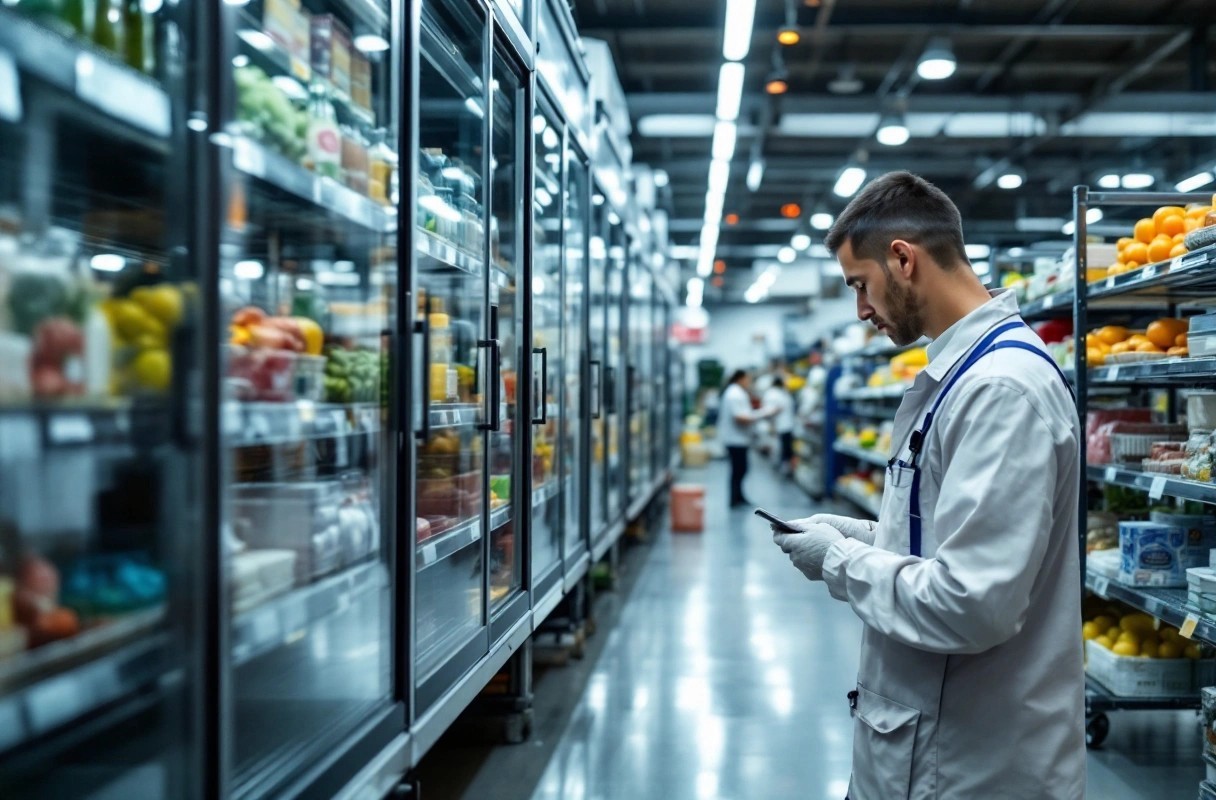
Food safety standards encompass a wide range of regulations that food establishments must follow to ensure the safety of their products. Compliance requirements vary by jurisdiction but generally include proper food storage, safe food handling practices, and employee hygiene. These standards are not merely suggestions; they are legal requirements enforced by health departments to protect public health. Foodborne illnesses can arise from non-compliance, making adherence essential.
Adhering to regulatory guidelines is essential for any food business. Non-compliance can lead to severe consequences, including fines, closure, or even legal action. For instance, establishments must ensure that food is stored at safe temperatures to prevent bacterial growth, which is a common area of focus during inspections. Additionally, maintaining records of food deliveries and employee training programs can demonstrate a commitment to compliance and safe practices.
Essential Elements of an Inspection Checklist
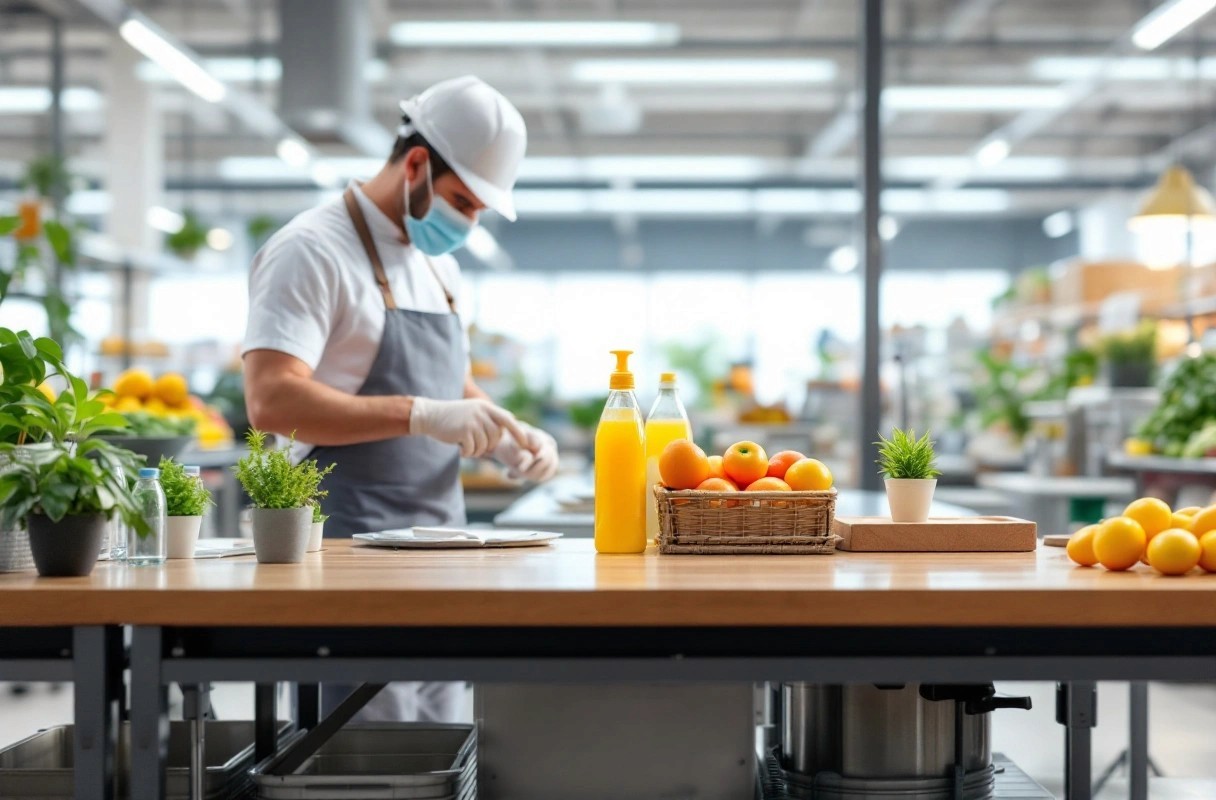
Inspectors typically include various elements in their inspection checklists to evaluate a facility's adherence to food safety standards. Common checklist items include the condition of food storage areas, the cleanliness of kitchen equipment, and the presence of appropriate signage regarding food allergies. Inspectors also look for proper labeling and expiration dates on food products, as these are critical for consumer safety.
Preparing for an inspection using a checklist can significantly enhance an establishment's readiness. Operators should conduct self-audits before the official inspection, using the same checklist that inspectors follow. This proactive approach allows businesses to identify and rectify potential issues in advance, ensuring a smoother inspection process and reducing the risk of safety violations.
Best Practices for Food Handling and Sanitation
Proper food handling practices are paramount in preventing foodborne illnesses. This includes training employees on the importance of washing hands frequently, using gloves when handling ready-to-eat foods, and preventing cross-contamination between raw and cooked items. Today, many establishments are implementing more rigorous training programs to reinforce these practices among staff.
Effective sanitation protocols are also crucial. Regular cleaning schedules for food preparation areas, equipment, and utensils must be established and adhered to. This includes using appropriate cleaning agents and ensuring that employees are trained in proper sanitation techniques. Regular audits of sanitation practices can help maintain compliance and enhance food safety within the establishment.
Common Safety Violations to Watch for
Identifying frequent safety violations during inspections can help businesses avoid common pitfalls. Some of the most commonly observed violations include improper food storage temperatures, unclean food preparation areas, and inadequate employee hygiene practices. For example, failing to keep raw meats separate from ready-to-eat foods can lead to cross-contamination, a serious concern for food safety regulators.
The impact of these violations on business operations can be significant. Beyond potential fines or closures, safety violations can damage a brand's reputation and lead to a loss of customer trust. Establishments must prioritize compliance to avoid these repercussions, ensuring that food safety is always at the forefront of their operations.
Preventing Foodborne Illness Through Compliance
There is a direct connection between compliance with food safety regulations and the prevention of foodborne illnesses. By adhering to established standards, food establishments can significantly reduce the risk of contamination and outbreaks. This involves not only following regulations but also fostering a culture of food safety among employees.
Strategies to minimize risks include regular employee training sessions on food safety, investing in quality control measures, and maintaining open lines of communication regarding safety protocols. Implementing a robust compliance program can help businesses stay ahead of potential issues and demonstrate their commitment to consumer safety.
The Importance of Food Safety Regulations in the Industry
Understanding what food safety regulators expect to see first during inspections is vital for any food and beverage manufacturer. Compliance with regulations not only protects consumers but also safeguards the business's reputation and financial stability. At Protocol Foods, we recognize the challenges faced by plant managers and FSQA directors in maintaining compliance with ever-evolving regulations.
We offer resources and support to help businesses navigate compliance requirements, ensuring that they meet industry standards. Your commitment to food safety is our priority, and we are here to support you every step of the way.
Regulatory Compliance
Let our team of experts help you implement the most efficient plan to stay in compliance.