What Problems HACCP Software Solves That Paper Logs Cant
January 3, 2026

The food industry faces unique challenges in maintaining safety and compliance. As regulations grow more stringent and consumer expectations rise, companies must adapt their practices to ensure they meet industry standards. Traditional methods, such as paper logs, have long been the go-to for tracking food safety compliance. However, these methods often fall short in addressing the complex demands of modern food safety management. This article explores the critical issues that HACCP compliance software addresses, which traditional paper logs simply cannot manage.
The Limitations of Paper Logs in Food Safety
Manual entries in paper logs are prone to inaccuracies and human error. In a bustling food production environment, it is easy for staff to make mistakes when recording data. A simple miscalculation or omission can lead to significant compliance issues and potential safety hazards. For instance, if a temperature log is incorrectly filled out, it may result in food being stored at unsafe temperatures, leading to spoilage or foodborne illness. HACCP compliance software eliminates these risks by automating data collection and ensuring accurate records are maintained.
Data retrieval and analysis are other areas where paper logs struggle. When incidents occur, retrieving relevant information from a stack of paper documents can be time-consuming and cumbersome. This inefficiency can delay corrective actions and hinder the ability to maintain compliance with food safety regulations. HACCP compliance software simplifies this process by centralizing data storage and enabling quick access to historical records. This allows food safety professionals to analyze trends and make informed decisions based on real-time data, rather than relying on potentially flawed paper records.
Real-time Data Tracking and Its Benefits

One of the primary advantages of HACCP software is its ability to provide real-time data tracking. This feature allows food manufacturers to monitor various parameters continuously, such as temperature, humidity, and equipment status. Immediate insights into food safety compliance enable teams to detect issues as they arise, rather than discovering them during routine audits or inspections. For example, if a refrigeration unit begins to malfunction, real-time alerts can prompt swift action to prevent food spoilage.
The ability to quickly identify and rectify issues is another significant benefit of real-time data tracking. When a potential hazard is detected, HACCP software can initiate corrective actions automatically, ensuring that the appropriate measures are taken without delay. This proactive approach not only enhances food safety but also helps maintain compliance with regulatory standards. By addressing issues immediately, food manufacturers can reduce the risk of costly recalls and protect their brand reputation.
The Role of Automated Reporting Tools
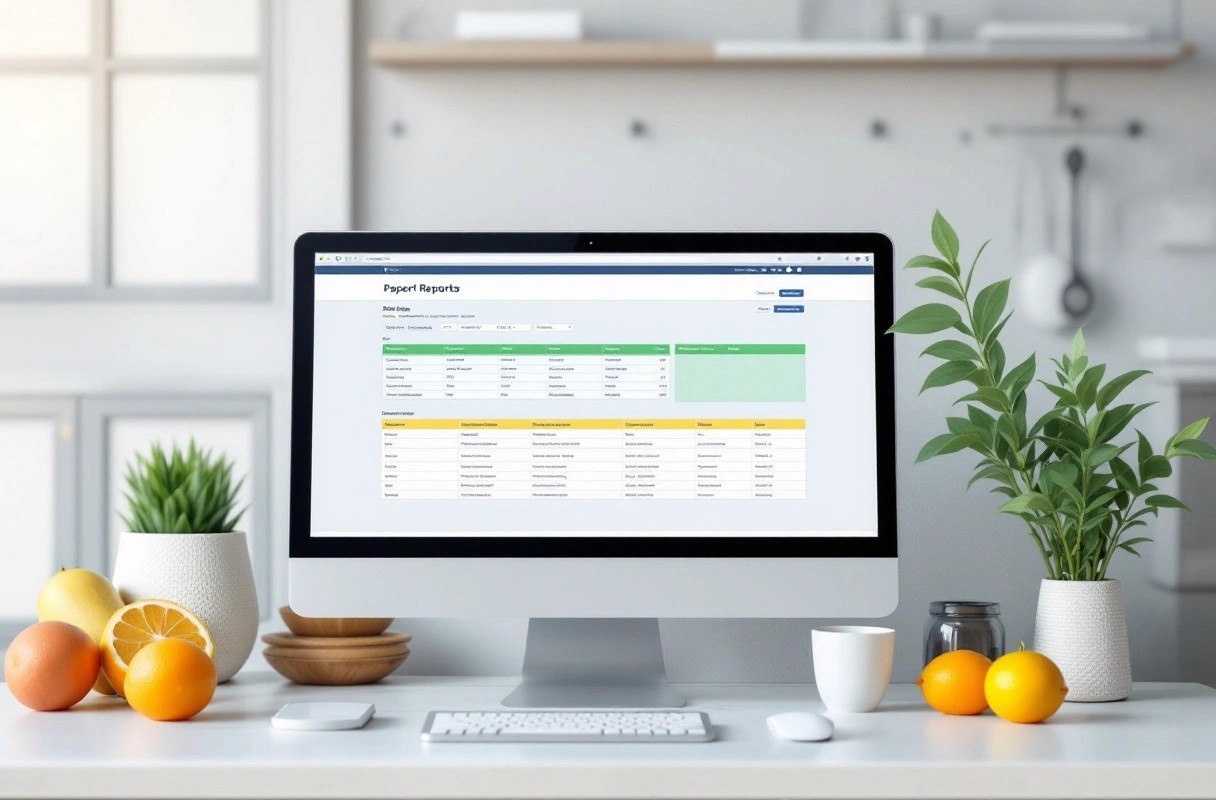
Automated reporting tools play a crucial role in streamlining compliance documentation. In the past, food safety personnel spent countless hours compiling data and generating reports manually. This labor-intensive process is not only time-consuming but also prone to errors. HACCP software automates the generation of compliance reports, significantly reducing the burden of manual reporting. This allows teams to focus on more critical tasks, such as improving safety protocols and quality assurance measures.
In addition to time savings, automated reporting tools enhance the accuracy and consistency of compliance documentation. HACCP software ensures that reports are generated based on real-time data, eliminating discrepancies that can arise from manual entries. This consistent approach to documentation provides food manufacturers with a reliable audit trail, which is essential for demonstrating compliance during inspections. With the ability to generate comprehensive reports at the click of a button, food safety professionals can respond to regulatory inquiries more efficiently.
Digital Transformation: the Future of Food Safety
The shift towards cloud-based food safety solutions is a defining trend in the food industry. Cloud technology offers numerous advantages, including enhanced data security, scalability, and accessibility. Food manufacturers can access their HACCP compliance software from anywhere, enabling teams to collaborate more effectively and respond to issues promptly. This flexibility is especially valuable in today’s fast-paced environment, where remote work and decentralized operations are becoming increasingly common.
Integrating quality control software with existing systems further enhances the effectiveness of food safety management. By connecting various aspects of production, from inventory management to processing, food manufacturers can create a cohesive approach to safety and quality assurance. This integration allows for more comprehensive monitoring and ensures that all elements of the production process adhere to established safety protocols. As digital transformation continues to shape the food industry, embracing these technologies will be essential for maintaining compliance and ensuring consumer trust.
The Intersection of HACCP Software and Food Safety
As we have seen, HACCP software addresses critical issues that traditional paper logs cannot effectively manage. From eliminating human error in data entry to providing real-time tracking and automated reporting, these digital solutions are essential for modern food safety management. Protocol Foods offers robust HACCP compliance software that can help food manufacturers streamline their processes and enhance safety protocols.
By adopting a digital approach to food safety, organizations can not only improve their compliance with regulations but also foster a culture of consistency matters. Protocol Foods is dedicated to supporting food and beverage manufacturers in their journey toward safer practices. For those looking to enhance their food safety management systems, consider reaching out for more information on how Protocol Foods can assist you.
Regulatory Compliance
Let our team of experts help you implement the most efficient plan to stay in compliance.