Best Practices for Setting Baseline Limits in Seasonal Food Safety Monitoring
November 15, 2025
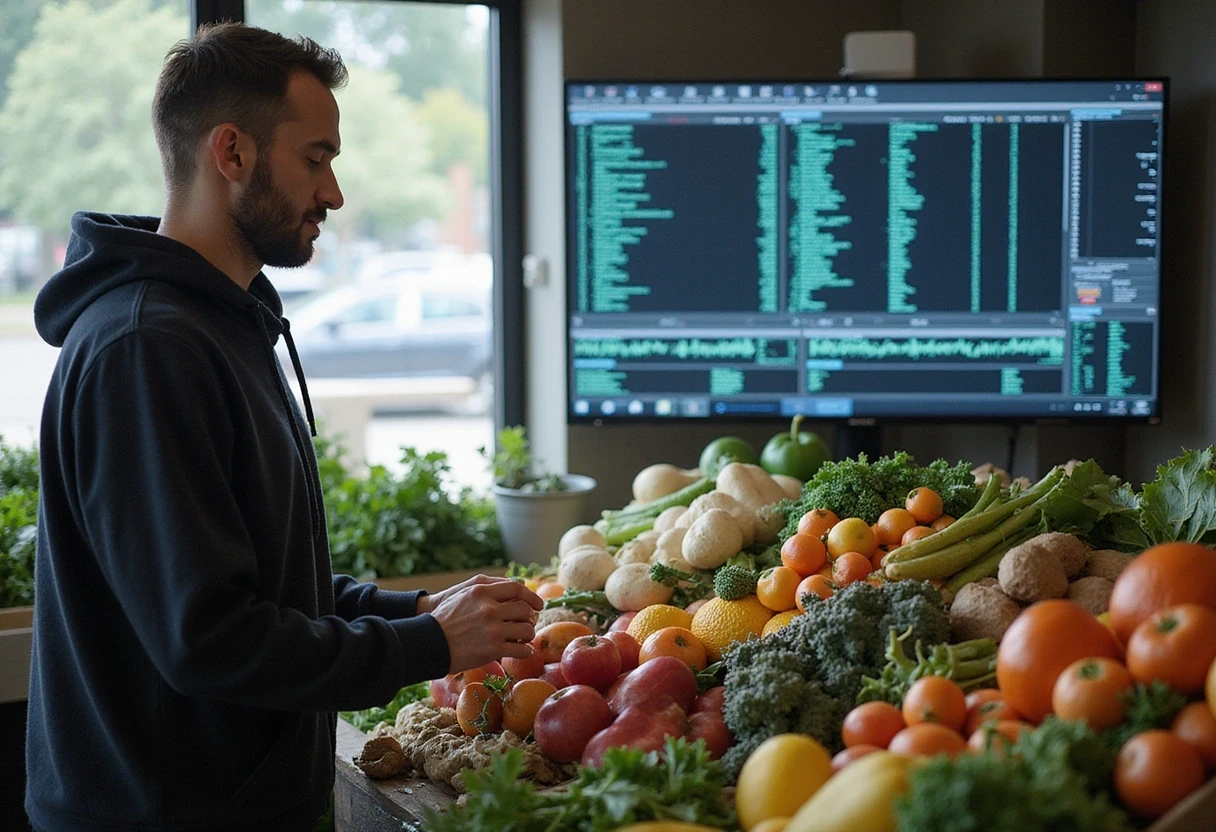
Ensuring food safety is not just a regulatory requirement; it’s a commitment to quality and public health. In the food and beverage industry, maintaining high safety standards is essential for protecting consumers and sustaining business operations. Establishing baseline limits for food safety monitoring is a critical practice that helps organizations meet these standards and ensures the integrity of their products. This article explores the best practices for establishing baseline limits in seasonal food safety monitoring to enhance compliance and food quality.
The Importance of Establishing Baseline Limits

Baseline limits serve as benchmarks for food safety, providing a reference point against which food quality can be measured. These limits are not arbitrary; they are derived from historical data, scientific research, and industry standards. Establishing these limits allows organizations to identify deviations in food quality quickly, enabling timely interventions to prevent potential safety issues.
Understanding the baseline limit definition is fundamental for food safety professionals. A baseline limit is essentially a predetermined threshold that indicates acceptable levels of various parameters such as temperature, pH, and microbial counts. By setting these limits, food manufacturers can proactively monitor their processes and ensure that their products consistently meet regulatory food safety guidelines. This proactive approach not only helps in adhering to regulatory food safety guidelines but also builds consumer trust and enhances brand reputation.
Developing Effective Monitoring Protocols
Key elements of successful monitoring protocols include clear procedures, defined responsibilities, and regular training for staff. These protocols should outline how data will be collected, analyzed, and reported. Consistency in monitoring is crucial; thus, establishing a routine that includes scheduled checks can ensure that food safety measures are adhered to systematically.
Incorporating data-driven techniques into monitoring protocols enhances the effectiveness of food safety practices. Utilizing technology such as IoT devices and automated data collection systems can streamline the process, providing real-time insights into food safety conditions. This approach not only reduces human error but also allows for quicker responses to any deviations from established baseline limits. Effective monitoring protocols should also include provisions for regular review and updates based on the latest food safety standards and regulations.
Data Analysis for Continuous Improvement
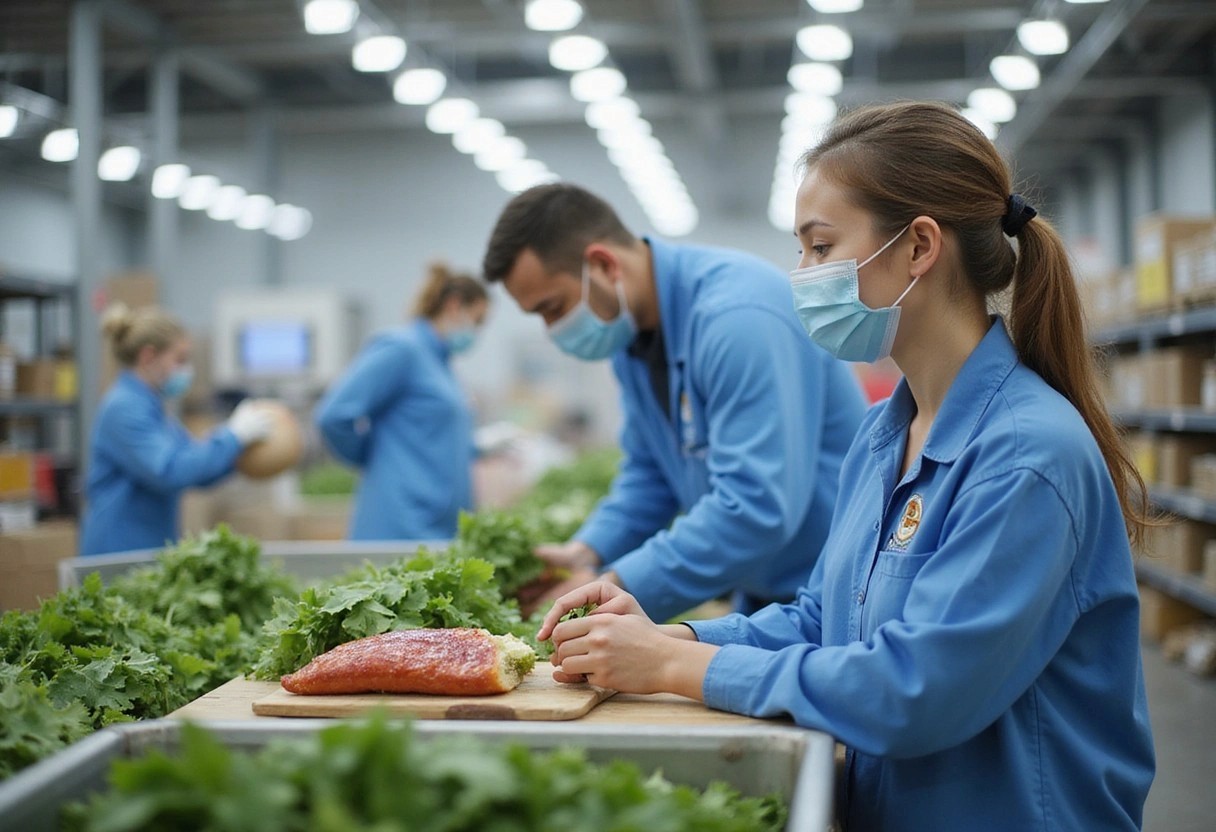
Analyzing monitoring data effectively is essential for identifying trends and areas for improvement. Regularly reviewing collected data can reveal patterns that may indicate underlying issues, such as recurring temperature deviations or frequent contamination incidents. By employing statistical analysis techniques, organizations can gain insights into their food safety performance and make informed decisions about necessary changes.
Using data to refine baseline limits is a dynamic process that requires ongoing attention. As new data becomes available, organizations should assess whether their established limits still apply or if adjustments are needed. This iterative process ensures that baseline limits evolve alongside changes in production methods, ingredient sourcing, and regulatory requirements. Continuous improvement in data analysis practices can lead to enhanced food quality control and better compliance with safety standards.
Implementing Preventive Controls for Seasonal Risks
Identifying seasonal risks in food safety is critical for manufacturers, as these risks can vary significantly throughout the year. Factors such as temperature fluctuations, humidity levels, and ingredient availability can all impact food safety. By understanding these seasonal dynamics, organizations can tailor their monitoring protocols and preventive controls accordingly.
Establishing preventive controls based on baseline limits allows food manufacturers to mitigate risks before they become issues. For instance, if historical data indicates that certain products are more susceptible to spoilage during warmer months, additional monitoring measures can be put in place during those periods. Implementing preventive controls not only aligns with safety compliance metrics but also reinforces a culture of food safety within the organization.
The Intersection of Food Safety Monitoring and Protocol Foods
Establishing baseline limits for food safety monitoring data is a critical aspect of maintaining high standards in the food and beverage industry. By understanding the importance of these limits, developing effective monitoring protocols, analyzing data for continuous improvement, and implementing preventive controls, organizations can significantly enhance their food safety practices.
At Protocol Foods, we recognize the challenges faced by food and beverage manufacturers, plant managers, FSQA directors, and operations leaders. Our expertise in food safety compliance and quality assurance can help your organization establish and maintain robust baseline limits tailored to your specific operational needs. We invite you to visit our website or contact us for more information on how we can support your food safety initiatives and help you achieve your compliance goals. Together, we can ensure that your commitment to food safety translates into quality products that consumers can trust.
Regulatory Compliance
Let our team of experts help you implement the most efficient plan to stay in compliance.