Preventing Contamination: Why Real-Time Monitoring in Food Safety Matters
November 17, 2025
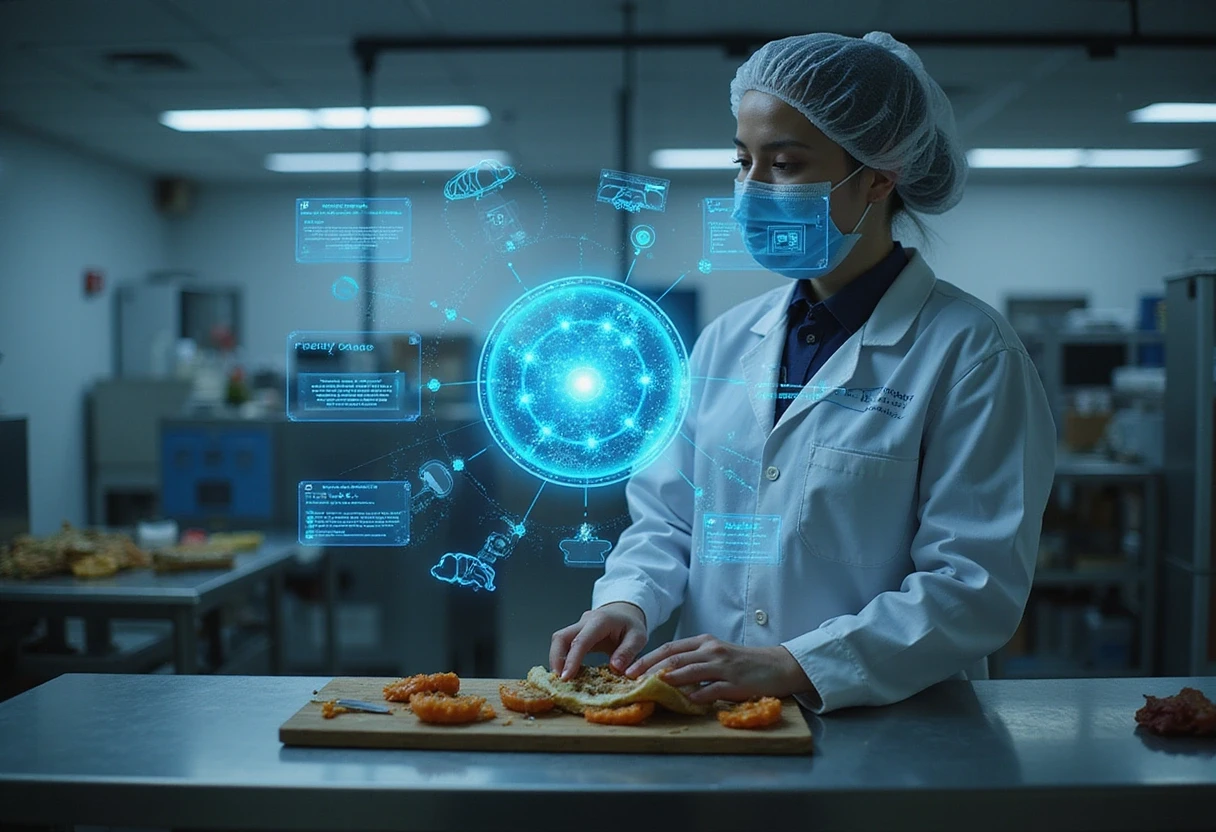
With consumers becoming increasingly aware of foodborne illnesses, the pressure on food manufacturers and distributors to ensure safety has never been greater. This article dives into the critical role of real-time monitoring in preventing food contamination and ensuring compliance with safety regulations.
Understanding the Role of Real-time Monitoring
Real-time food safety monitoring refers to the continuous observation and assessment of food safety parameters as they happen. This technology leverages sensors and data analytics to track various factors such as temperature, humidity, and equipment performance instantly. Unlike traditional scheduled checks, which may occur at set intervals and often miss transient issues, real-time monitoring provides immediate insights into potential hazards, allowing for swift corrective actions.
The primary distinction between real-time monitoring and scheduled checks lies in the immediacy of data collection and response. Scheduled checks can lead to gaps in oversight, as they only reflect conditions at specific moments. In contrast, real-time systems continuously gather data, offering a comprehensive view of the operational environment. This proactive approach not only enhances food safety but also supports compliance with rigorous food safety regulations.
The Benefits of Real-time Monitoring in Food Safety
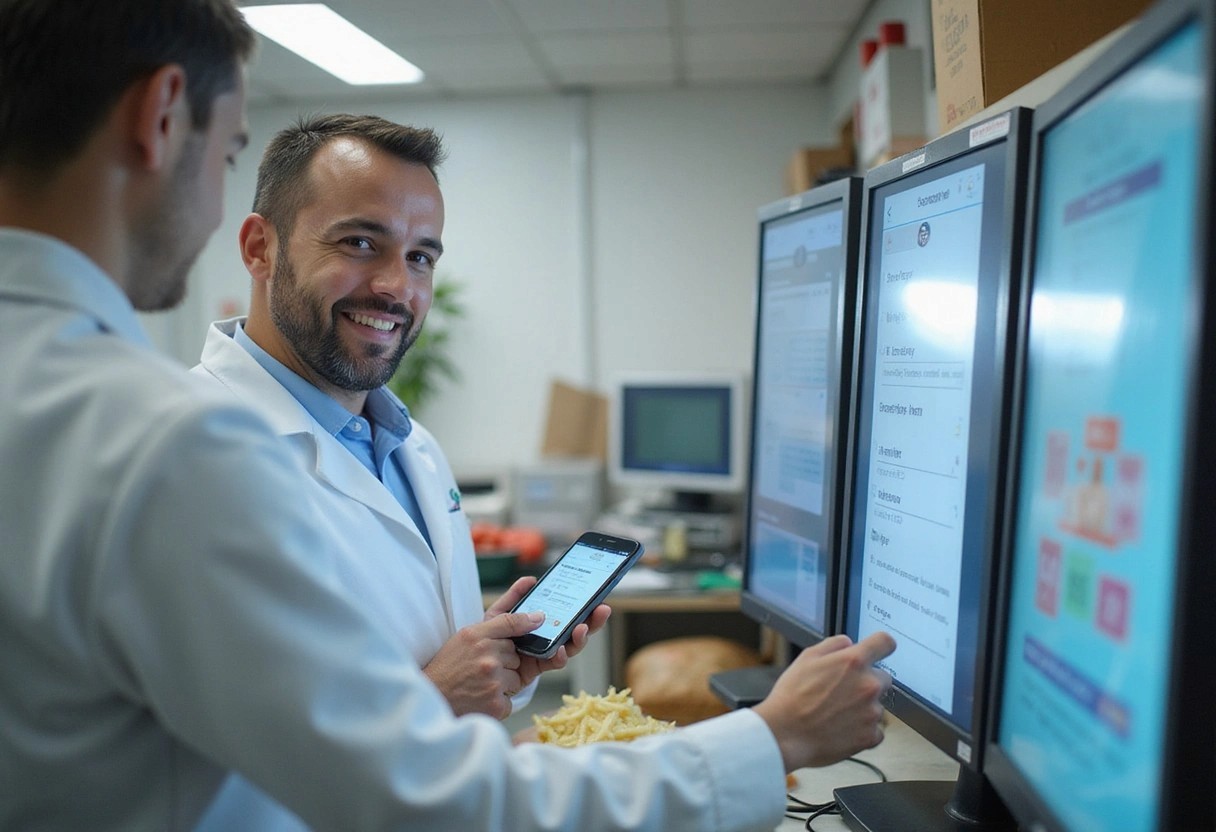
Implementing real-time monitoring can significantly reduce the risk of foodborne illnesses. By continuously tracking critical control points, food manufacturers can identify and address issues before they escalate into larger problems. For example, if a temperature anomaly is detected in a refrigeration unit, alerts can trigger immediate action to prevent spoilage or contamination. This real-time responsiveness is vital in protecting public health and maintaining brand integrity.
In terms of regulatory compliance, real-time monitoring systems help businesses stay aligned with food safety standards. Many regulatory bodies now require documentation of food safety practices, and real-time data provides an accurate and verifiable record of compliance efforts. This not only simplifies audits but also fosters a culture of accountability within organizations. Moreover, the data collected can be analyzed to uncover trends, allowing for ongoing improvements in food safety practices.
Challenges of Implementing Real-time Monitoring
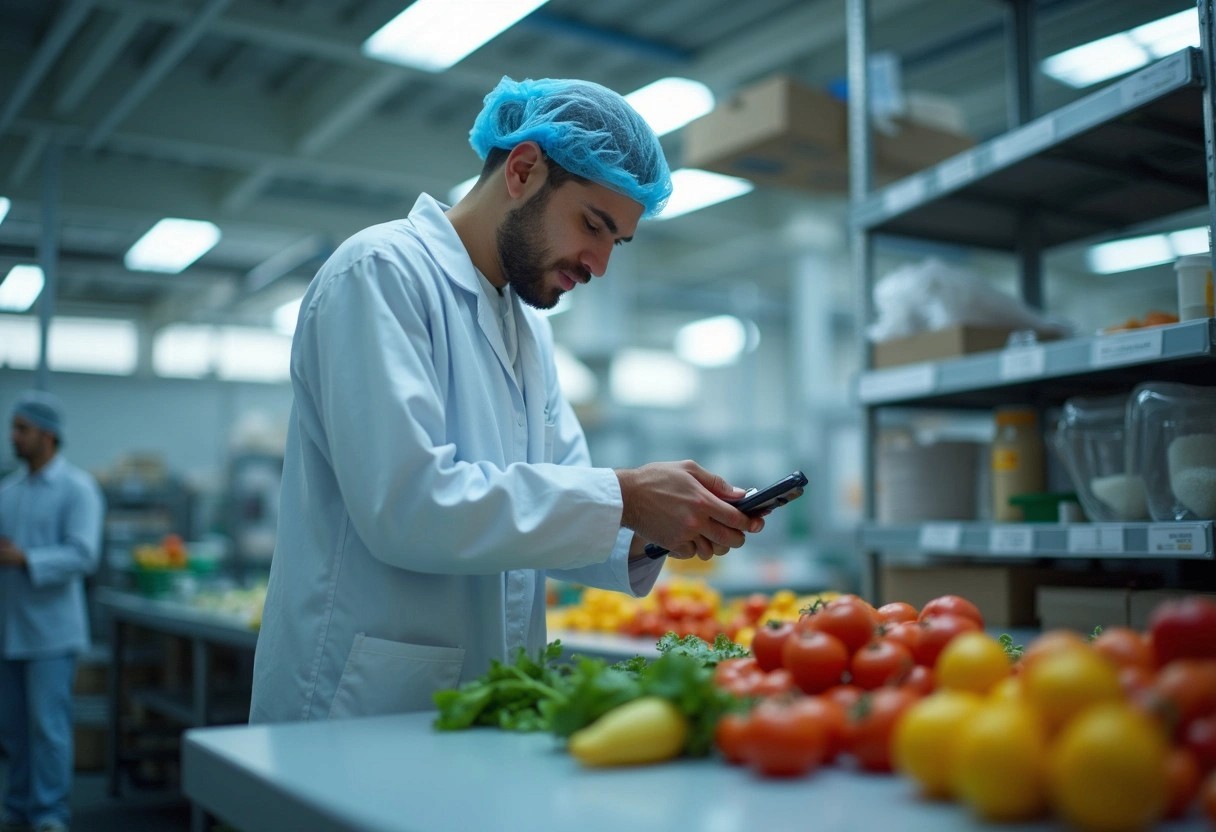
While the benefits are clear, businesses often face obstacles when adopting real-time monitoring technologies. One common challenge is the initial investment required for new systems, which can deter smaller operations from making the leap. Additionally, staff training is essential to ensure that employees can effectively use new technology and interpret the data generated. Resistance to change among staff can also hinder implementation, as employees may be accustomed to traditional methods.
To overcome these challenges, companies can adopt a phased approach to implementation. Starting with pilot programs allows organizations to test the technology on a smaller scale, demonstrating its value before a full rollout. Providing comprehensive training and fostering an open dialogue about the benefits can also help alleviate resistance. By emphasizing the long-term cost savings and safety improvements, organizations can encourage buy-in from all stakeholders involved.
Integrating Real-time Monitoring Into Your Food Safety Plan
Incorporating real-time monitoring into existing food safety protocols requires careful planning and execution. Organizations should begin by assessing their current practices and identifying critical control points that would benefit from real-time data. This includes monitoring food temperatures in storage and transportation, as well as tracking equipment performance. Establishing clear objectives for what the real-time monitoring system should achieve is essential for its success.
Once the objectives are defined, businesses can develop a strategy that balances real-time data with scheduled checks. While real-time monitoring provides continuous data, scheduled checks can still play a role in validating the effectiveness of the monitoring system. Combining both approaches allows for a comprehensive safety plan that leverages the strengths of each method. Regularly reviewing and adjusting the monitoring processes ensures that the system remains effective and aligned with evolving food safety regulations.
The Importance of Real-Time Monitoring in Food Safety
As the food industry continues to evolve, the need for effective monitoring systems becomes increasingly apparent. Real-time monitoring not only helps prevent foodborne illnesses but also supports compliance with stringent food safety regulations. By integrating real-time monitoring into food safety plans, businesses can enhance their operational efficiency and safeguard public health.
For food and beverage manufacturers, the implementation of real-time monitoring is more than just a regulatory requirement; it is a commitment to quality and safety. Protocol Foods specializes in providing cutting-edge food safety technology that can help organizations streamline their monitoring processes and ensure compliance.
If you are a plant manager, FSQA director, or operations leader responsible for compliance and quality, consider how real-time monitoring can transform your food safety practices. Visit our website or contact us today to learn more about how Protocol Foods can assist you in implementing effective real-time monitoring solutions. Together, we can work towards a safer food supply chain.
Regulatory Compliance
Let our team of experts help you implement the most efficient plan to stay in compliance.