Cut Costs and Time: Shorten Food Safety Audit Prep With Tech
November 5, 2025

In an era where efficiency is paramount, food safety audits can be a daunting task, but technology offers a way to streamline this process. The need for compliance and quality assurance in the food and beverage industry has never been more critical, and the traditional methods of preparing for audits can often lead to unnecessary delays and increased costs. This article explores how digital systems can significantly cut costs and preparation time for food safety audits, enhancing compliance and operational efficiency.
The Importance of Efficient Food Safety Audits
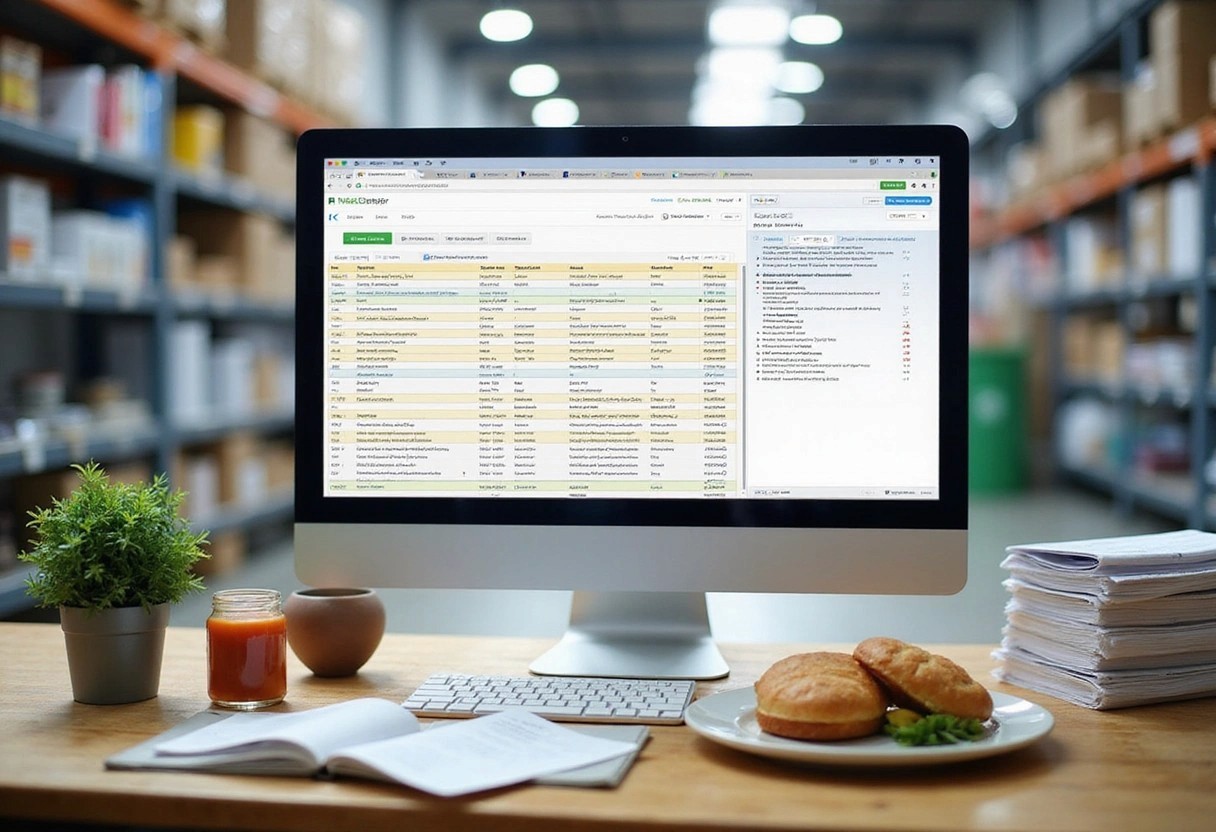
Food safety audits are essential for ensuring that organizations comply with health regulations and maintain high-quality standards. These audits assess various aspects of food safety, including hygiene practices, storage conditions, and employee training. Inefficient audit processes can lead to missed compliance deadlines, increased risks of foodborne illnesses, and potential financial penalties. When companies struggle with manual documentation and outdated systems, they may face mounting costs associated with non-compliance and reputational damage.
In addition to compliance, an efficient audit process can also optimize operational workflows. By streamlining preparation, organizations can reduce the time and resources spent on audits, allowing staff to focus on core business functions. Embracing digital solutions is a key strategy for companies looking to enhance their audit preparation. Learning how to shorten food safety audit preparation time with digital systems not only improves compliance but also fosters a culture of safety and accountability within the organization.
Leveraging Digital Food Safety Systems for Efficiency
Digital food safety systems are designed to simplify the management of food safety protocols. These systems can automate tasks, facilitate real-time monitoring, and provide comprehensive reporting capabilities. By leveraging these tools, organizations can enhance their audit preparation and execution, ultimately leading to more efficient processes.
Several digital tools stand out in the market for their functionalities:
Compliance Management Software: This type of software helps organizations track compliance with food safety regulations. It can automate documentation and provide alerts for upcoming audits or training sessions.
Online Audit Tools: These tools offer templates and customizable checklists that make it easier for teams to conduct thorough audits. They often include features for real-time data entry and reporting.
Real-Time Food Safety Tracking: Systems that monitor food safety conditions in real-time, such as temperature control and hygiene practices, can provide instant feedback to staff, allowing for quick corrective actions.
Utilizing digital food safety systems can significantly cut down preparation time and ensure that all necessary data is readily available for auditors, thereby enhancing overall efficiency.
Streamlining Your Audit Preparation Process
Implementing online audit tools is a strategic step for organizations aiming to streamline their audit preparation process. Start by identifying the specific needs of your operations and selecting the right audit preparation software that aligns with those requirements. This may involve assessing current workflows and determining where digital solutions can fill gaps.
Once the software is in place, creating effective food safety checklists tailored to your operations is essential. Here are some steps to consider:
Identify Key Audit Areas: Focus on the most critical components of food safety relevant to your operation, such as storage practices, equipment sanitation, and employee training.
Customize Checklists: Use the audit tool to create checklists that reflect the specific processes and protocols of your organization.
Train Staff: Ensure that all employees understand how to use the digital tools and checklists effectively. Regular training sessions can reinforce compliance and improve audit readiness.
By establishing a structured approach to audit preparation, organizations can minimize the time spent on audits and enhance the accuracy of their reporting.
Enhancing Your Audit Strategy With Data-driven Solutions
Data-driven audit solutions play a pivotal role in improving the accuracy of food safety audits. By utilizing analytics, organizations can identify trends and potential issues before they escalate into serious problems. For example, tracking temperature logs over time can reveal patterns that may indicate equipment malfunctions or improper food handling practices.
The integration of data analytics into audit processes allows for proactive management of food safety risks. Organizations can leverage historical data to benchmark performance, set improvement goals, and monitor progress over time. This approach not only enhances compliance but also fosters a culture of continuous improvement within the organization.
Moreover, data-driven insights can inform decision-making processes, allowing food safety managers to allocate resources more effectively. For instance, if a specific area of the facility consistently shows compliance challenges, targeted training can be implemented to address these issues.
Best Practices for Online Food Safety Inspections
Conducting streamlined food inspections is essential for maintaining compliance and ensuring the safety of food products. Here are several best practices to consider:
Utilize Digital Checklists: Digital checklists can provide a standardized format for inspections, ensuring that all necessary criteria are evaluated consistently.
Conduct Regular Training: Regular training sessions for staff on food safety practices and the use of digital tools can enhance the effectiveness of inspections.
Leverage Mobile Technology: Equip inspectors with mobile devices to facilitate real-time data entry and reporting during inspections. This can help ensure that issues are documented and addressed promptly.
Schedule Routine Inspections: Establish a schedule for routine inspections to ensure that food safety practices are consistently monitored and maintained.
By implementing these best practices, organizations can ensure thoroughness and compliance during food safety inspections, ultimately leading to enhanced operational efficiency.
Optimizing Audit Preparation Time With Protocol Foods[
The integration of digital systems into food safety audit preparation represents a significant opportunity for food and beverage manufacturers to enhance efficiency and compliance. By understanding how to shorten food safety audit preparation time with digital systems, organizations can streamline their processes and reduce costs associated with audits.
At Protocol Foods, we recognize the challenges faced by plant managers, FSQA directors, and operations leaders responsible for compliance and quality. Our advanced solutions are designed to simplify audit preparation and enhance food safety management. We invite you to visit our website or contact us for more information on how our tools can help you implement effective digital solutions for your operations. Embrace the future of food safety audits and ensure your organization is prepared for success.
Regulatory Compliance
Let our team of experts help you implement the most efficient plan to stay in compliance.