How Calibration Logs Improve Food Safety Monitoring System Accuracy
December 3, 2025
Precision is paramount in food safety, and calibration logs serve as the backbone of reliability. Without accurate measurements, the risk of foodborne illness increases significantly, jeopardizing consumer safety and organizational integrity. Calibration logs play an essential role in maintaining the accuracy of monitoring systems, ensuring that temperature and humidity levels are within safe parameters. This article explores the essential role of calibration logs in enhancing the accuracy of food safety monitoring systems.
The Critical Role of Calibration in Food Safety
Calibration is the process of adjusting and verifying the accuracy of measuring instruments. In the context of food safety, calibration ensures that temperature and humidity monitoring devices provide accurate readings that reflect the actual conditions within food storage and processing environments. The significance of calibration cannot be overstated; inaccurate measurements can lead to spoilage, contamination, and ultimately, foodborne illnesses.
The impact of inaccurate measurements on food safety is profound. For instance, a temperature sensor that reads 2 degrees Fahrenheit higher than the actual temperature could result in food being stored at unsafe temperatures, promoting bacterial growth. Calibration logs document the frequency and outcomes of calibration procedures, providing a clear record of instrument reliability. By maintaining these logs, organizations demonstrate their commitment to food safety and compliance with regulatory standards.
Ensuring Reliable Monitoring Systems
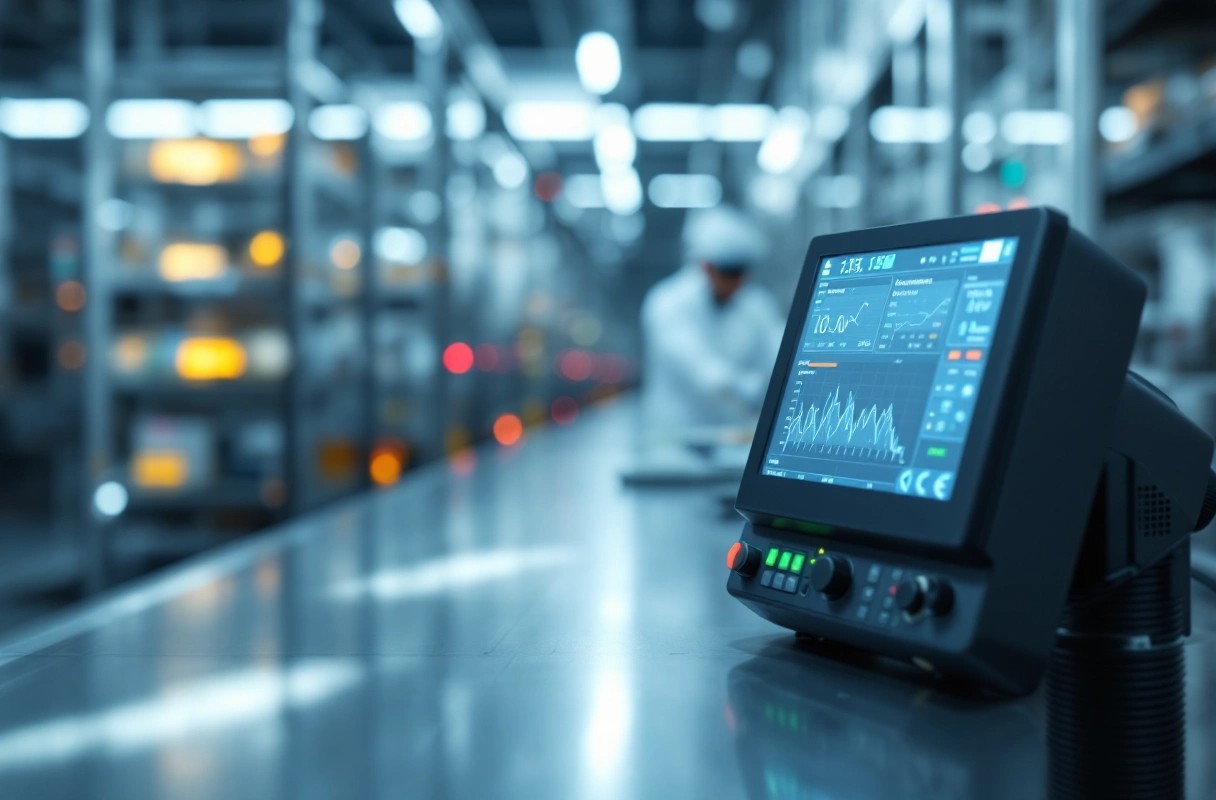
Calibration logs directly support the integrity of food safety monitoring systems. These logs provide essential data on the performance of measuring instruments, allowing food safety professionals to track changes over time. When calibration records indicate that a device has drifted out of specification, corrective actions can be taken before any potential food safety incidents occur.
The relationship between logs and system accuracy is critical. Regular calibration and documentation ensure that monitoring systems consistently deliver reliable data. For example, if a temperature monitoring system is calibrated annually but not documented properly, it may lead to gaps in compliance and increased risk during inspections. By maintaining robust calibration logs, organizations can ensure monitoring system compliance with food safety compliance, fostering a culture of accountability and precision.
Integrating Calibration Logs Into Quality Assurance Practices

Calibration logs are a fundamental component of quality assurance in food safety. They provide a clear and traceable record of calibration activities, which is essential for audits and inspections. Incorporating these logs into quality assurance practices helps organizations identify trends and address potential issues before they escalate.
Best practices for maintaining calibration logs include developing a standardized format for documentation and ensuring all personnel are trained in the importance of accurate record-keeping. Regular reviews of calibration logs can also help identify patterns that may indicate the need for equipment replacement or upgrades. By integrating calibration logs into broader quality assurance practices, organizations can enhance their overall food safety protocols.
Best Practices for Managing Calibration Documentation
Efficient management of calibration records is vital for maintaining compliance and ensuring food safety. Organizations should implement systematic approaches to track calibration logs, ensuring they are easily accessible for review. This can include digital record-keeping systems that allow for real-time updates and data retrieval.
Utilizing tools and technology for tracking logs can significantly improve the accuracy and reliability of calibration documentation. Software solutions can automate reminders for scheduled calibrations, provide analytics on instrument performance, and generate reports for compliance audits. By leveraging technology, organizations can streamline the management of calibration documentation, reducing the risk of human error and enhancing overall operational efficiency.
The Importance of Calibration Logs for Reliable Food Safety Monitoring Systems
Calibration logs are not merely bureaucratic requirements; they are essential for ensuring the reliability of food safety monitoring systems. By maintaining accurate and thorough calibration documentation, organizations can demonstrate compliance with food safety regulations and uphold their commitment to quality assurance. Protocol Foods understands the importance of these practices in the food and beverage industry.
As a leader in food safety solutions, we offer resources and support to help organizations implement effective calibration and monitoring practices. By utilizing our expertise, you can enhance your food safety monitoring systems and ensure that your calibration logs are comprehensive and reliable.
For more information on how Protocol Foods can assist you in achieving optimal food safety standards, contact us today. Your commitment to food safety is paramount, and we are here to help you maintain the highest standards in the industry.
Regulatory Compliance
Let our team of experts help you implement the most efficient plan to stay in compliance.