How to Create a Continuous Improvement Plan After a Food Safety Audit
December 5, 2025

Ensuring food safety is crucial for maintaining public health and business integrity. A robust food safety system not only protects consumers but also upholds a company's reputation and compliance with regulatory standards. After a food safety audit, the next logical step is to develop a continuous improvement plan that addresses identified gaps and enhances existing protocols. This article explores how to create an effective continuous improvement plan following a food safety audit, ensuring food safety compliance and enhancing safety measures.
The Importance of Continuous Improvement in Food Safety
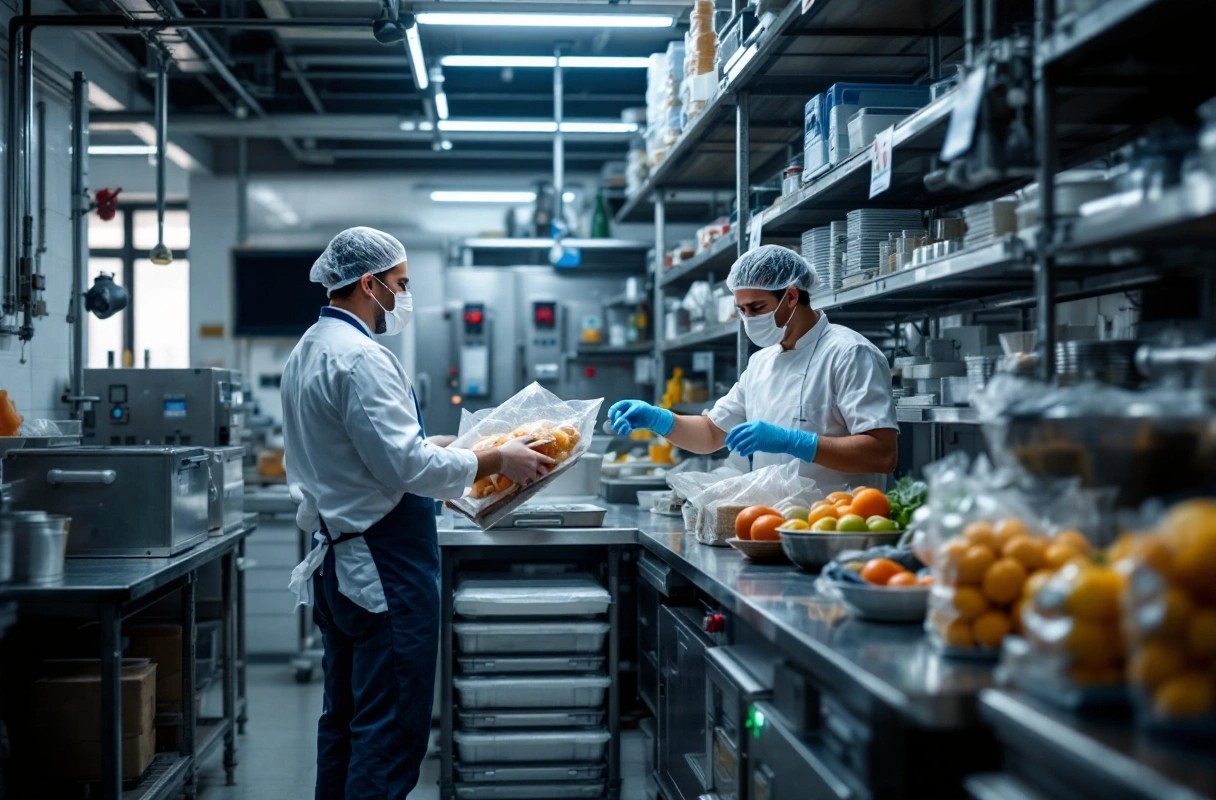
Continuous improvement is a systematic, ongoing effort to enhance products, services, or processes. In the context of food safety, it involves regularly evaluating and refining safety protocols to mitigate risks and ensure compliance with regulatory requirements. A commitment to continuous improvement fosters a proactive culture in which safety is prioritized at every organizational level. This approach not only addresses existing issues but also anticipates potential challenges, thereby strengthening overall food safety management.
Food safety compliance is integral to business success. Non-compliance can lead to severe consequences, including legal penalties, loss of consumer trust, and financial setbacks. By adopting continuous improvement strategies, organizations can enhance their food safety systems, ensuring that they not only meet current regulations but also adapt to future changes in the industry. This proactive stance can differentiate a business in a competitive marketplace, demonstrating a commitment to quality and safety.
Navigating the Food Safety Audit Process
Understanding the food safety audit process is essential for developing an effective continuous improvement plan. The audit typically involves several steps, including pre-audit preparation, on-site evaluation, and post-audit reporting. During the preparation phase, organizations should gather relevant documentation and ensure that all team members are aware of the audit's objectives and processes.
Common areas of focus during food safety audits include hygiene practices, equipment sanitation, food handling procedures, and employee training. Auditors assess compliance with established standards and identify areas for improvement. This evaluation process is critical, as it provides a clear picture of the organization’s current safety practices and highlights specific areas that require attention. By thoroughly understanding the audit process, organizations can better prepare for assessments and respond effectively to findings.
Developing an Effective Continuous Improvement Plan

Creating a structured continuous improvement plan is vital for addressing the findings of a food safety audit. This plan should outline specific objectives, timelines, and responsibilities for each improvement action. It is essential to prioritize improvements based on risk assessments, focusing on areas that pose the greatest potential threats to food safety.
Utilizing quality management systems can significantly enhance the tracking of progress and the effectiveness of improvement initiatives. These systems allow for the documentation of procedures, monitoring of compliance, and assessment of the impact of changes made. By implementing process improvement techniques such as Plan-Do-Check-Act (PDCA), organizations can ensure that their continuous improvement efforts are systematic and data-driven, leading to sustained enhancements in food safety practices.
Engaging Team Members Through Training Programs
The significance of food safety training programs cannot be overstated. Effective training equips employees with the knowledge and skills necessary to uphold safety standards and respond appropriately to potential hazards. Organizations should develop comprehensive training programs that cover all aspects of food safety, including sanitation practices, allergen management, and emergency response protocols.
Fostering a culture of safety within teams is essential for the success of any continuous improvement plan. Encouraging open communication and regular feedback helps create an environment where employees feel empowered to report issues and suggest improvements. Regular training sessions and refresher courses can reinforce the importance of food safety and keep safety protocols top-of-mind for all staff members.
Evaluating Success Through Audit Report Analysis
Analyzing audit reports is a critical step in evaluating the success of a continuous improvement plan. Organizations should focus on extracting actionable insights from these reports, identifying trends, and understanding recurring issues. This analysis can inform adjustments to the improvement plan, ensuring that it remains relevant and effective.
Adjusting improvement plans based on audit findings is essential for maintaining compliance and enhancing food safety measures. Organizations should establish a routine for reviewing audit reports and integrating lessons learned into their continuous improvement efforts. By treating audit findings as opportunities for growth rather than setbacks, companies can foster a resilient approach to food safety management.
The Path to Enhanced Food Safety with Protocol Foods
Creating a continuous improvement plan after a food safety audit is a strategic approach that can significantly enhance compliance and safety protocols. By focusing on continuous improvement strategies, organizations can establish a robust framework for addressing food safety challenges and ensuring long-term success. Protocol Foods is dedicated to supporting food and beverage manufacturers in this endeavor, offering resources and expertise to help implement effective safety measures.
For more information on how we can assist you in enhancing your food safety protocols, contact us today.
Regulatory Compliance
Let our team of experts help you implement the most efficient plan to stay in compliance.