How Food Temperature Control Affects Process Consistency, Not Just Safety
January 25, 2026
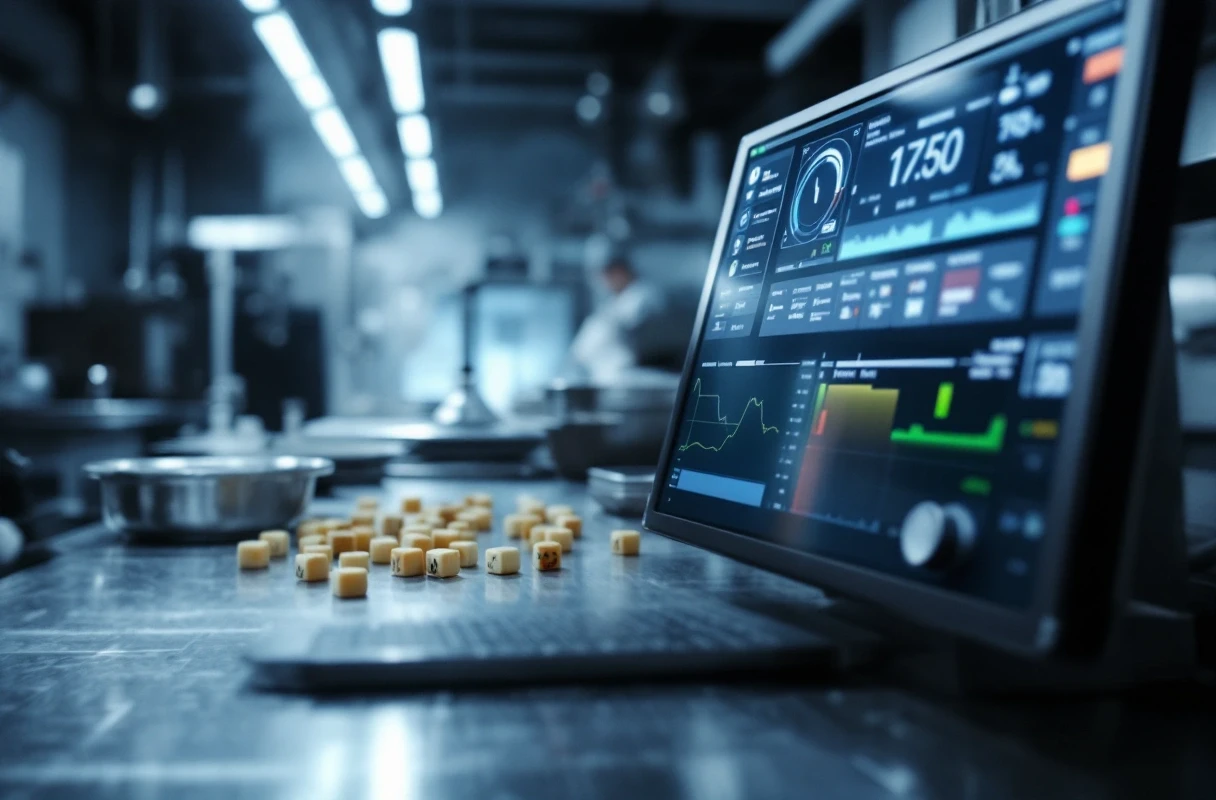
Imagine serving your customers a dish that not only tastes great but is consistently prepared to perfection. In the food and beverage industry, maintaining the right temperature control throughout the processing and storage phases is paramount. This article explores the critical role of food temperature control in maintaining process consistency and ensuring food safety, emphasizing how these two aspects are interconnected.
The Crucial Role of Temperature in Food Quality
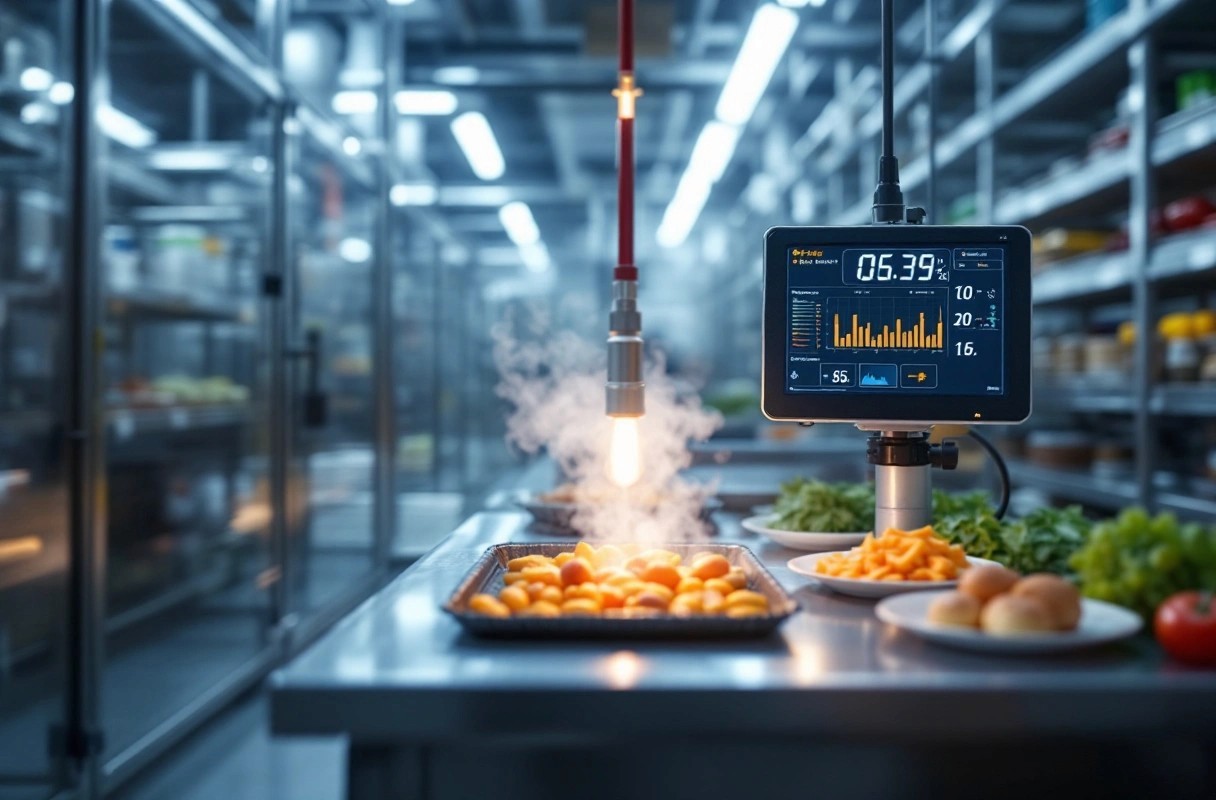
Temperature plays a vital role in determining the quality of food products. It affects essential attributes such as flavor, texture, and appearance. When food is cooked or stored at improper temperatures, the chemical reactions that contribute to its taste and texture can be negatively impacted. For example, cooking meat at too high a temperature can lead to a dry, tough texture, while lower temperatures can allow for a juicier, more tender result.
Proper temperature management enhances overall food quality by allowing ingredients to interact in optimal ways. For instance, the Maillard reaction, which gives browned food its distinctive flavor, occurs best within a specific temperature range. By controlling cooking temperatures, food processors can ensure that their products consistently meet quality standards and customer expectations. The impact of temperature on food quality cannot be overstated, as it directly influences customer satisfaction and brand reputation.
Key Temperature Effects on Food Attributes
Flavor Development: Cooking at the right temperature allows for the development of complex flavors, enhancing the overall taste profile of dishes.
Texture Improvement: Temperature influences the physical properties of food, affecting how tender, crisp, or chewy a product may be.
Visual Appeal: Properly managed temperatures help maintain the vibrant colors and appealing appearances of foods, which are crucial for consumer attraction.
Ensuring Process Consistency Through Temperature Control
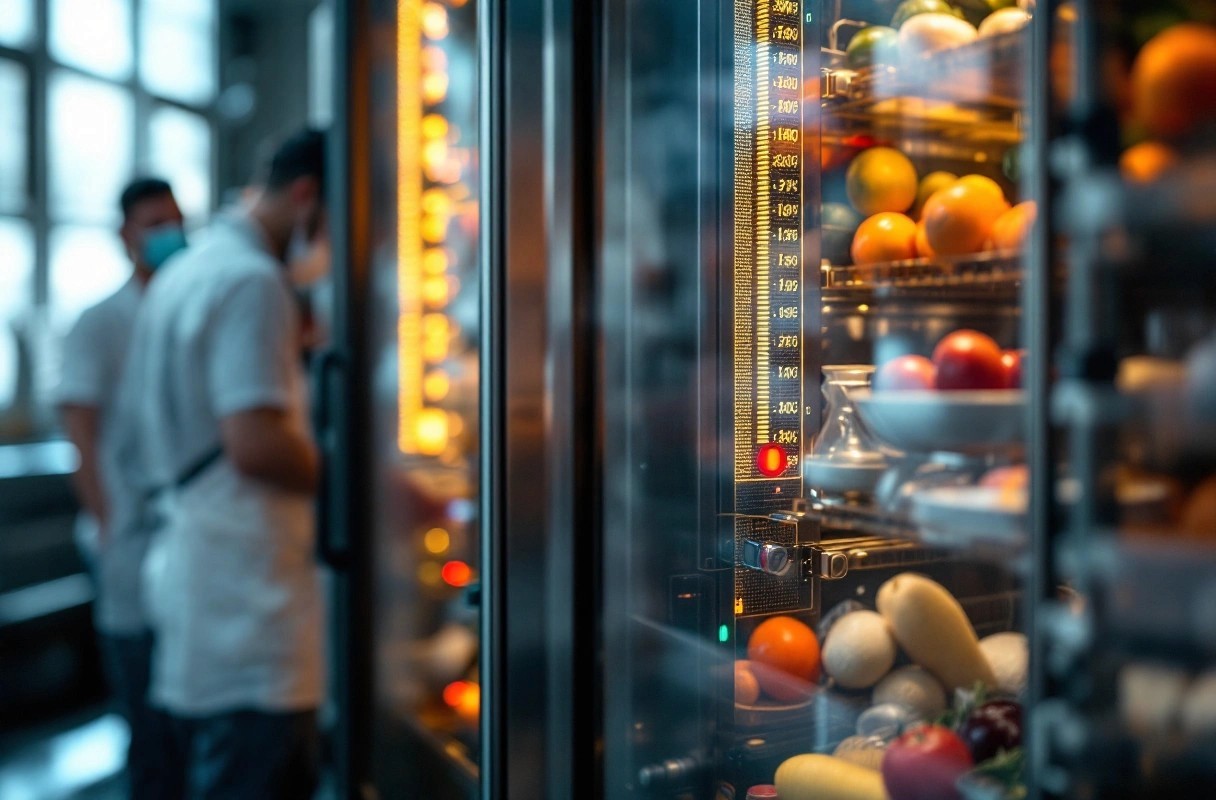
Consistency is key for customer satisfaction in the food and beverage sector. When consumers receive a product that varies in taste or quality from one experience to another, it can lead to dissatisfaction and loss of trust. Temperature control techniques are essential for standardizing processes that produce consistent results. By implementing strict temperature monitoring and control systems, manufacturers can ensure that every batch of food meets the same standards of quality.
Temperature control techniques include the use of precise cooking equipment, regular calibration of thermometers, and continuous monitoring throughout the production line. These practices help maintain uniformity in cooking times and temperatures, which are critical for achieving process consistency in food production. As a result, manufacturers can enhance their operational efficiency and deliver products that consistently meet or exceed consumer expectations.
Techniques for Effective Temperature Control
Use of Thermocouples: These devices can provide accurate temperature readings throughout the cooking and cooling processes.
Automated Temperature Monitoring Systems: Implementing automated systems can help track temperature in real-time, alerting operators to deviations.
Regular Equipment Calibration: Ensuring that cooking and refrigeration equipment is calibrated properly helps maintain consistent temperatures.
Food Safety Practices That Promote Quality
There is a direct link between food safety and temperature control. Understanding food safety regulations is essential for all food manufacturers, as compliance is not just about adhering to laws but also about ensuring the safety and quality of the products. Food safety practices, such as maintaining proper cooking and holding temperatures, are critical for preventing foodborne illnesses.
Temperature control is a fundamental aspect of food safety regulations established by organizations like the Food and Drug Administration (FDA) and the United States Department of Agriculture (USDA). These regulations outline specific temperature ranges for cooking, cooling, and storing food to ensure that harmful bacteria do not proliferate. By adhering to these guidelines, food manufacturers can protect their customers and their brand integrity.
Key Food Safety Regulations Related to Temperature Control
Cooking Temperature Guidelines: Specific temperatures must be reached to kill harmful pathogens in various types of food.
Cooling Practices: Foods must be cooled rapidly to prevent bacterial growth, with guidelines specifying temperature thresholds.
Storage Temperature Standards: Proper refrigeration and freezing temperatures must be maintained to ensure food safety during storage.
Best Practices for Food Storage and Management
Proper food storage techniques are essential for maintaining quality and safety. Temperature significantly affects food shelf life and safety, making it imperative for manufacturers to implement best practices in food management. Storing food at appropriate temperatures prevents spoilage, maintains nutritional value, and ensures safety for consumption.
Food storage best practices include regular monitoring of storage temperatures, using proper containers that support temperature control, and training staff on the importance of temperature management. By adopting these practices, manufacturers can extend the shelf life of their products while ensuring they remain safe and high-quality for consumers.
Essential Food Storage Techniques
Regular Temperature Checks: Implement routine checks to ensure that refrigerators and freezers are operating within safe temperature ranges.
Proper Packaging: Use packaging that supports temperature control and prevents contamination.
FIFO Method: Employ the First In, First Out method to ensure older stock is used before newer stock, minimizing spoilage.
The Impact of Temperature Control on Food Quality and Consistency
In the food and beverage manufacturing industry, understanding how food temperature control affects process consistency is vital for maintaining product quality and safety. Protocol Foods provides valuable resources and support to help manufacturers implement effective temperature management systems. By prioritizing temperature control, businesses can ensure that they consistently deliver safe, high-quality products to their customers.
To learn more about how Protocol Foods can assist you in optimizing your food temperature management strategies, book a call with us for tailored solutions that enhance your operational efficiency and product quality.
Regulatory Compliance
Let our team of experts help you implement the most efficient plan to stay in compliance.