Why Food Temperature Deviations Often Go Unnoticed Until Audits
January 27, 2026
Temperature control is often overlooked until it's too late. With the increasing complexity of food supply chains and the critical importance of maintaining appropriate temperatures, many organizations find themselves at risk. The consequences of temperature deviations can lead to compromised food safety, product spoilage, and significant financial losses. This article will explore the reasons why temperature deviations go unnoticed until audits, the implications for food safety, and strategies for effective monitoring.
The Silent Threat of Temperature Deviations
Temperature deviations represent a silent yet pervasive threat to food safety. When food products are exposed to temperatures outside their safe range, it can lead to bacterial growth, spoilage, and even foodborne illnesses. For instance, in 2021, a well-known food manufacturer faced a massive recall due to improper storage conditions that allowed temperature fluctuations, resulting in unsafe products reaching consumers. Such incidents underline the importance of vigilance in monitoring temperature control throughout the production and distribution processes.
Many organizations fail to notice these deviations until an audit reveals the discrepancies. This oversight can often be attributed to a lack of real-time monitoring or insufficient training among staff. Without effective systems in place, minor temperature fluctuations may go unreported, allowing them to escalate into significant problems. This reality highlights the need for robust monitoring systems that can provide immediate alerts and ensure compliance with food safety standards.
Understanding the Role of Temperature Monitoring Systems
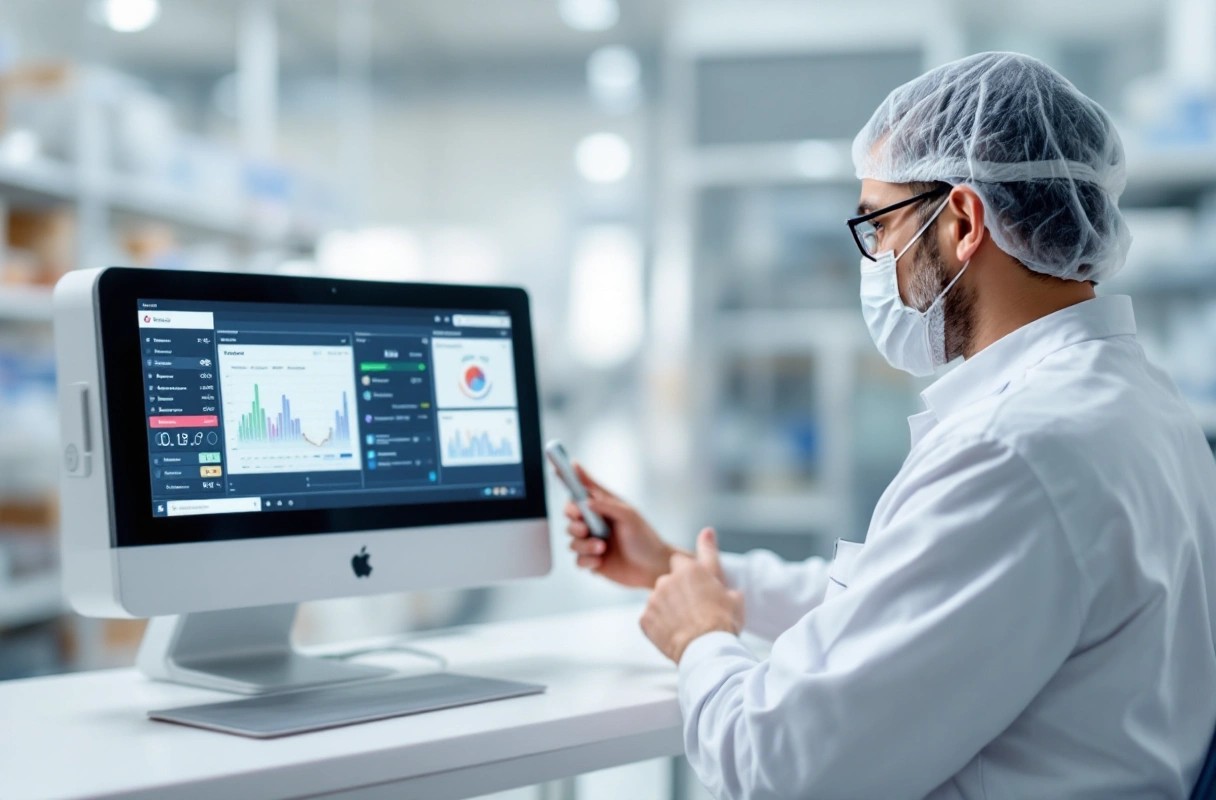
Temperature monitoring systems are essential tools for ensuring food safety and compliance. Various types of these systems are available, including manual thermometers, continuous monitoring systems, and automated alert systems. Manual thermometers require human intervention and can be prone to errors, while continuous monitoring systems utilize sensors to provide real-time temperature data. Automated alert systems can send notifications to staff when temperatures deviate from safe ranges, ensuring that corrective actions can be taken promptly.
Integrating technology into temperature control processes offers numerous benefits. These systems not only improve accuracy but also enhance accountability by providing detailed logs of temperature data. This information can be invaluable during audits, allowing organizations to demonstrate compliance with food safety regulations. Additionally, advanced systems often include data analysis features that help identify trends and potential issues before they escalate into serious problems.
Audit Compliance and Quality Assurance Processes

Regular audits play a pivotal role in maintaining compliance with food safety standards. They serve as a critical checkpoint for organizations to assess their adherence to established protocols and identify areas for improvement. During audits, temperature monitoring practices are scrutinized, and any deviations can lead to significant penalties or reputational damage. As such, organizations must prioritize audit readiness by implementing comprehensive quality assurance processes that address temperature control.
Quality assurance processes can significantly reduce the likelihood of temperature deviations. By establishing standard operating procedures (SOPs) for temperature monitoring and ensuring that staff are adequately trained, organizations can foster a culture of compliance. Regular training sessions and refresher courses can help keep employees informed about the latest food safety standards and practices. Moreover, conducting internal audits can help identify potential gaps in temperature control before external audits take place.
Leveraging Data Logging Technologies for Better Control
Data logging technologies are instrumental in enhancing temperature control in food safety. These devices continuously record temperature data, providing organizations with a detailed history of temperature fluctuations over time. This information can be critical in identifying patterns that may indicate underlying issues, such as equipment malfunctions or environmental changes.
The value of data analysis in preventing temperature issues cannot be overstated. By reviewing historical data, organizations can pinpoint recurring temperature deviations and take proactive measures to address them. This analytical approach enables food manufacturers to make informed decisions about equipment maintenance, staff training, and operational adjustments, ultimately leading to improved food safety outcomes. Additionally, data logging technologies can assist in meeting regulatory requirements by providing verifiable records during audits.
Ensuring Supply Chain Integrity Through Monitoring
Monitoring temperature throughout the supply chain is essential for maintaining product quality and safety. Temperature deviations can occur at various stages, from production to distribution, and can have significant ramifications for product integrity. For example, if frozen goods are transported in non-refrigerated trucks, they may thaw and refreeze, compromising their quality and safety.
To ensure supply chain integrity, organizations must implement comprehensive monitoring systems that track temperature at every stage of the process. This includes monitoring during storage, transportation, and even at retail locations. Utilizing temperature monitoring systems that provide real-time data and alerts can help organizations quickly address any deviations, minimizing the risk of compromised products reaching consumers. Additionally, establishing strong partnerships with suppliers who prioritize temperature control can enhance overall supply chain integrity.
The Importance of Temperature Control in Food Safety
Understanding why temperature deviations often go unnoticed until audits is vital for food manufacturers. By adopting advanced temperature monitoring systems, fostering a culture of compliance through regular audits, and leveraging data logging technologies, organizations can significantly improve their temperature control practices.
For organizations striving to enhance their temperature control practices, working with Protocol Foods can provide the tools and support needed to maintain high standards of food safety.
Regulatory Compliance
Let our team of experts help you implement the most efficient plan to stay in compliance.