How Production Pressure Can Quietly Undermine Food Safety Controls
January 13, 2026

The pressure to meet growing consumer demands can have unexpected consequences. As manufacturers ramp up output to satisfy market needs, the emphasis on speed and efficiency often overshadows the critical importance of food safety controls. This article explores how production pressure can compromise food safety controls, the implications for food industry standards, and effective strategies to mitigate risks.
The Hidden Costs of Production Pressure
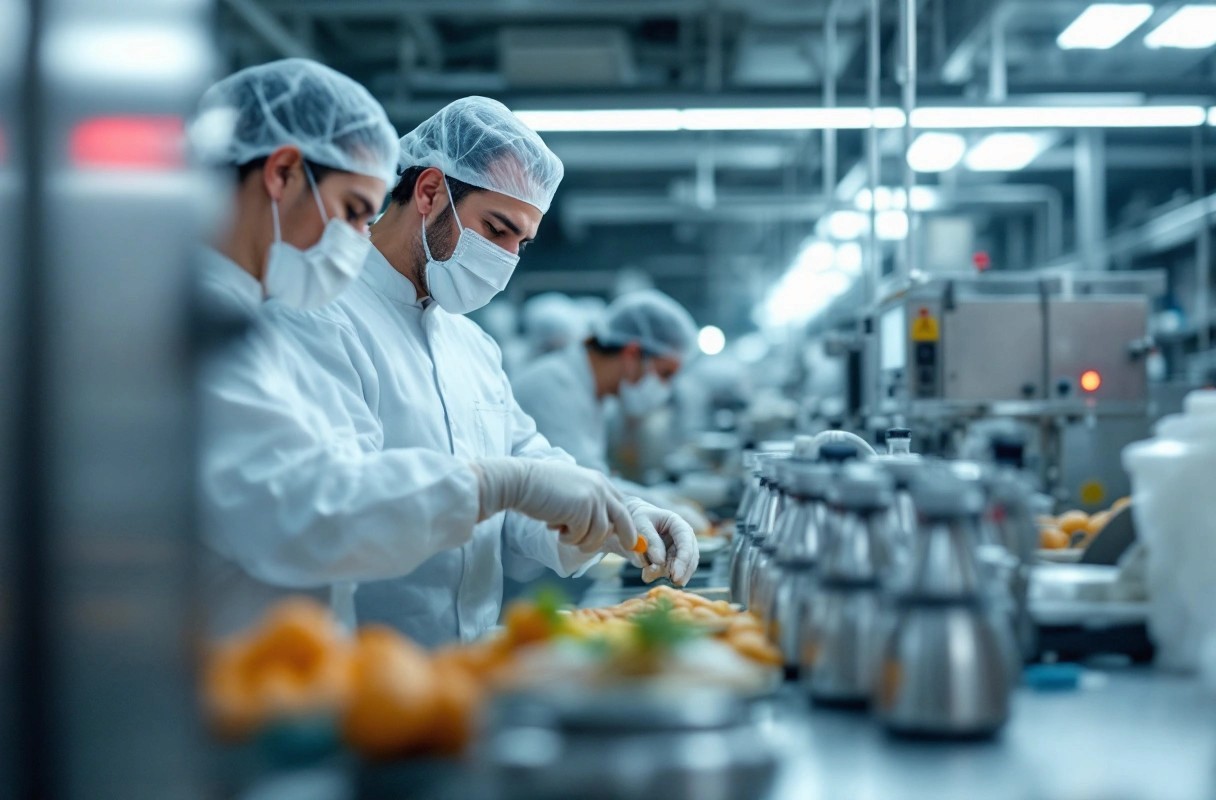
Production pressure manifests in various ways within the food industry, affecting decision-making at every level. In high-stakes environments, employees may prioritize speed over safety, leading to critical oversights. The urgency to fulfill orders can result in shortcuts that compromise sanitation protocols, ultimately increasing the risk of foodborne illnesses. When employees are rushed, they may overlook essential procedures such as cleaning equipment or conducting thorough safety checks, which are vital to maintaining high food safety standards.
The risk of cutting corners in food safety protocols is a significant concern. For instance, during peak production times, routine safety audits may be skipped or conducted hastily, failing to identify potential hazards. Such lapses can lead to severe consequences, including product recalls and damage to a company's reputation. The hidden costs associated with these oversights can far outweigh the immediate benefits of increased production, demonstrating that maintaining rigorous safety controls is an investment rather than an expense.
Navigating Food Safety Regulations Under Pressure

Understanding food safety regulations is critical for compliance and maintaining consumer trust. Key regulations, such as the Food Safety Modernization Act (FSMA) and Hazard Analysis Critical Control Point (HACCP) guidelines, are designed to protect public health by ensuring that food products are safe from contamination. However, when production pressure mounts, the likelihood of compliance failures increases. Companies may inadvertently overlook mandatory documentation or fail to implement necessary safety measures due to the overwhelming focus on output.
Production pressure can create an environment where employees feel compelled to prioritize production quotas over regulatory compliance. This situation can lead to significant legal and financial repercussions, including fines and increased scrutiny from regulatory agencies. It is essential for food manufacturers to integrate compliance into their daily operations, ensuring that all employees understand the importance of adhering to food safety regulations, even under pressure.
Effective Employee Training Programs for Safety
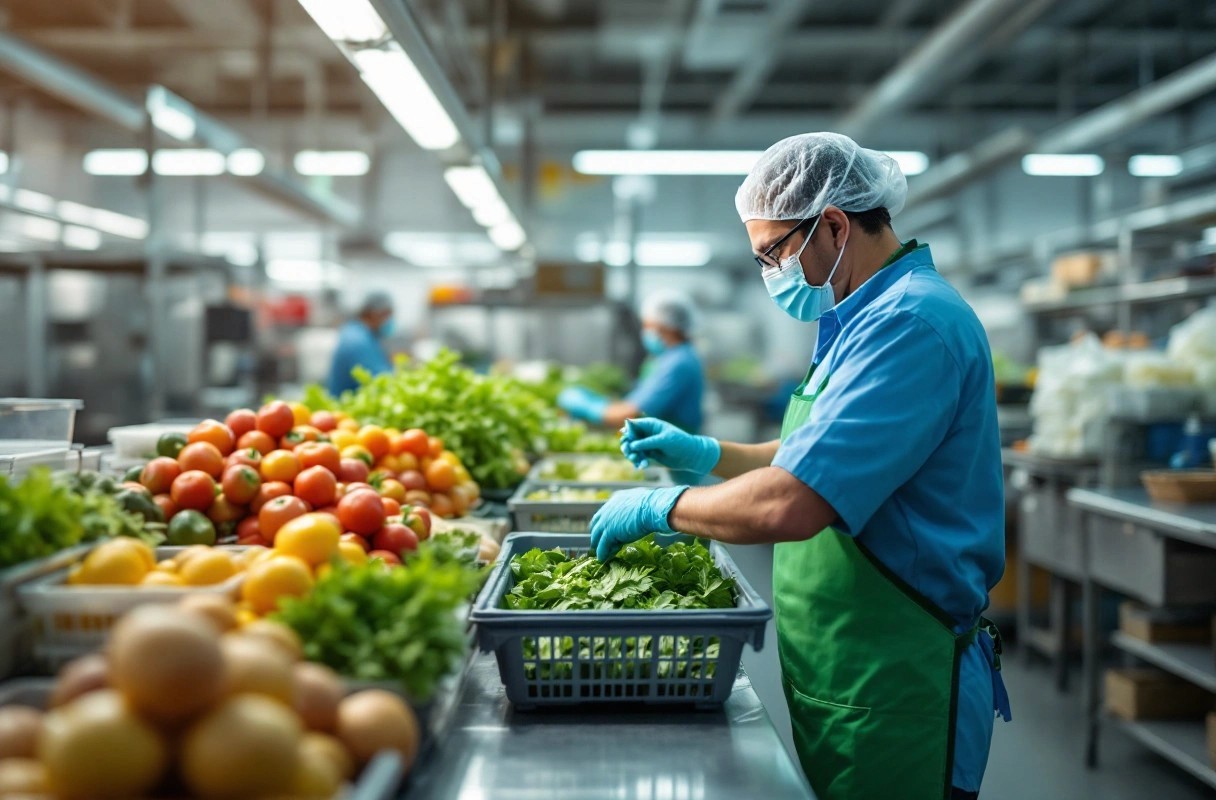
Employee training is a cornerstone of maintaining safety standards in food production. A well-structured training program equips workers with the knowledge and skills necessary to uphold food safety practices, particularly in high-pressure situations. Regular training sessions should cover essential topics such as contamination prevention, proper equipment handling, and the importance of following standard operating procedures.
Fostering a culture of safety amidst production pressure requires ongoing support from management. Leaders should encourage open communication, allowing employees to voice concerns about safety practices without fear of reprisal. By empowering workers to prioritize safety, organizations can help mitigate the risks associated with production pressure. Regular refresher courses and hands-on training can reinforce critical safety protocols, ensuring that employees remain vigilant and committed to maintaining high food safety standards.
Mitigating Risks Through Supply Chain Management
Effective supply chain management is a vital component of risk management strategies in food production. A well-structured supply chain can help alleviate some of the pressures associated with high demand. By establishing strong relationships with suppliers, manufacturers can secure consistent access to quality ingredients, reducing the need for last-minute purchases that may compromise safety standards.
Incorporating risk management strategies into supply chain operations can further minimize production pressure. For example, implementing just-in-time inventory systems can help maintain optimal stock levels without overburdening production schedules. Additionally, regular assessments of supplier performance can identify potential risks early, allowing for proactive measures to be taken. By prioritizing supply chain efficiency and quality control, food manufacturers can create a more resilient operation that supports food safety.
The Intersection of Production Pressure and Food Safety
Understanding how production pressure can undermine food safety controls is essential for food and beverage manufacturers striving to maintain compliance and quality. As organizations face increasing demands, the challenge lies in balancing efficiency with safety. Protocol Foods recognizes the complexities involved in this process and offers tailored solutions to help manufacturers navigate these challenges effectively.
For those looking to enhance their safety protocols and ensure compliance, contact us for expert guidance and tailored solutions designed to meet the unique needs of your operation.
Regulatory Compliance
Let our team of experts help you implement the most efficient plan to stay in compliance.