What Food Safety Risks Increase During Line Changeovers
January 15, 2026
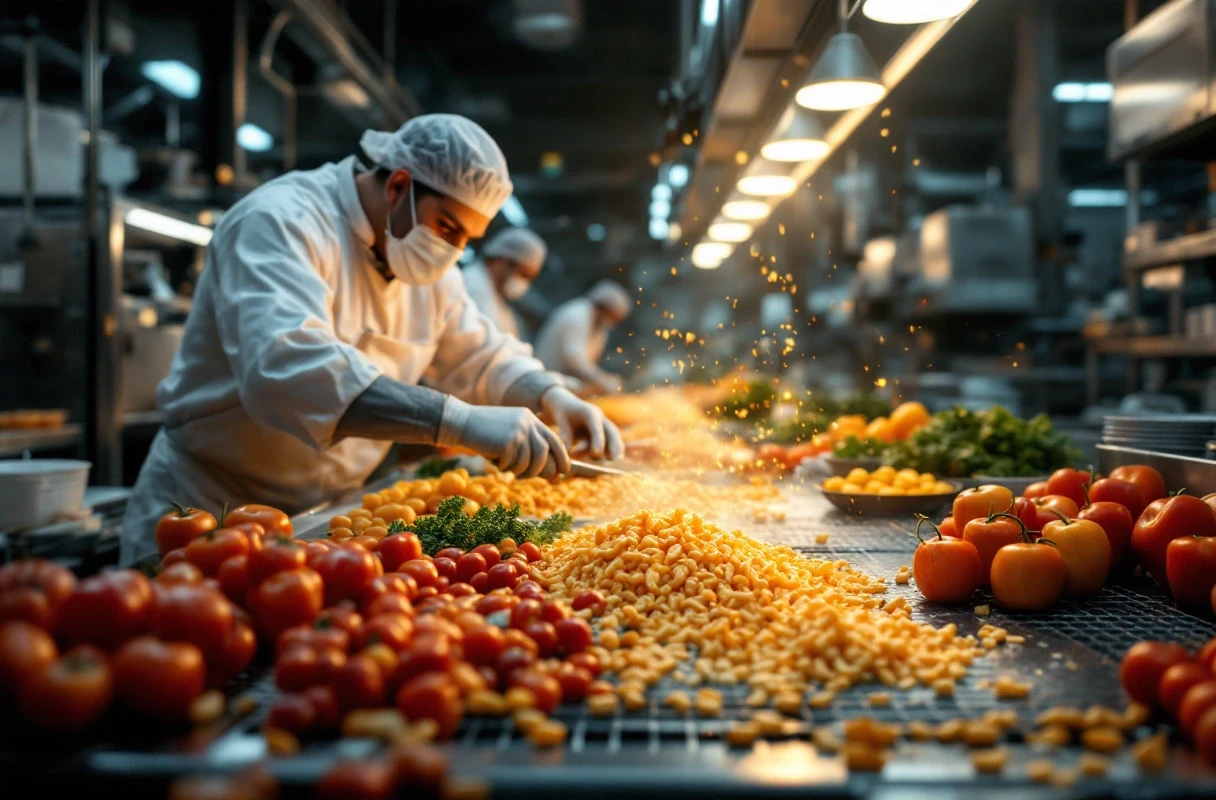
Line changeovers in food production can pose significant safety risks that often go unnoticed. The transition from one product to another is critical, yet it is during these moments that food safety can be compromised if proper protocols are not followed. Understanding the inherent risks associated with these changeovers is essential for manufacturers committed to maintaining high standards of food safety.
This article explores the food safety risks that increase during line changeovers and how to mitigate them through effective protocols and practices. By recognizing the potential hazards and implementing robust procedures, food and beverage manufacturers can safeguard their products and ensure compliance with industry regulations.
Recognizing the Risks Associated With Line Changeovers
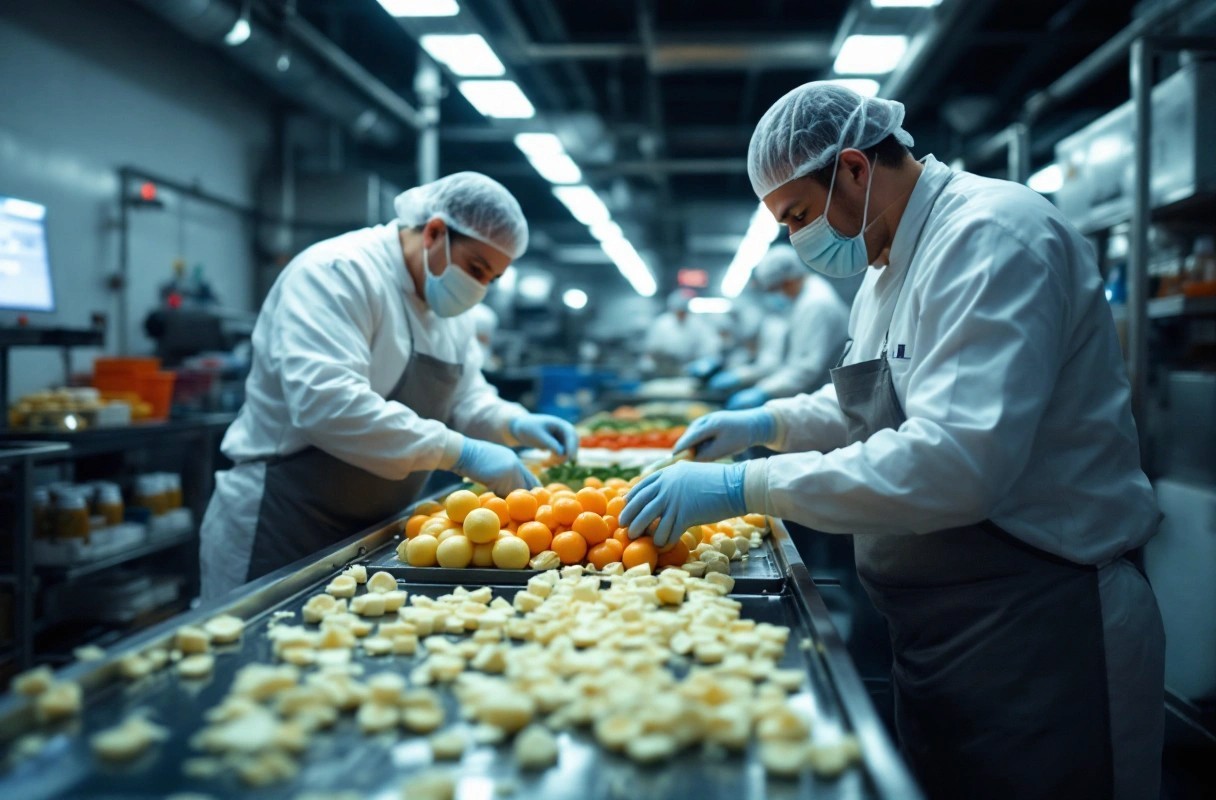
Food contamination risks are heightened during line changeovers due to various factors, including equipment residue, improper cleaning, and human error. When switching from one product to another, remnants of the previous product can remain on machinery, leading to cross-contamination. This is particularly critical in facilities processing allergenic ingredients or different types of food products, where even trace amounts can pose serious health risks to consumers.
The impact of line changeovers on food safety extends beyond immediate contamination risks. The potential for decreased sanitation and increased human traffic in production areas during changeovers can further compromise food safety. For instance, workers may inadvertently introduce pathogens if they do not follow strict sanitation practices after handling different products. Understanding these risks is the first step towards implementing effective food safety protocols.
Establishing Effective Line Changeover Procedures
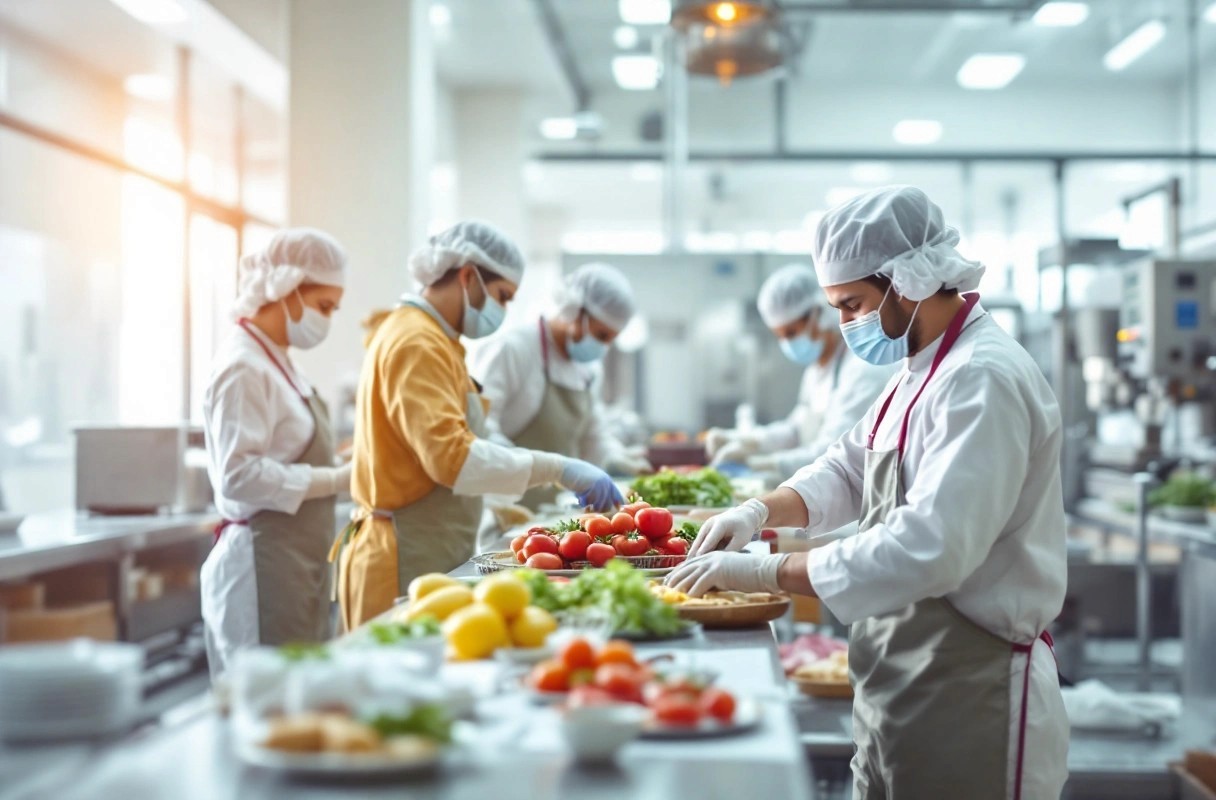
Structured changeover protocols are essential in minimizing food safety risks. A well-defined line changeover procedure includes a series of steps that must be followed to ensure thorough cleaning and sanitation before the next production run begins. These protocols should detail equipment disassembly, cleaning methods, and verification processes to confirm that all residues are removed.
Key elements of a successful changeover plan include:
Pre-changeover checklists: Ensure all necessary cleaning supplies and equipment are on hand before initiating the changeover.
Training for staff: Regular training sessions should be conducted to ensure all employees understand the importance of following protocols and the specific steps involved in the changeover process.
Documentation: Keeping detailed records of each changeover, including cleaning procedures and any issues encountered, helps identify patterns that may need addressing.
By establishing clear line changeover procedures, food manufacturers can significantly reduce the risk of contamination during transitions.
Risk Management Strategies in Food Production
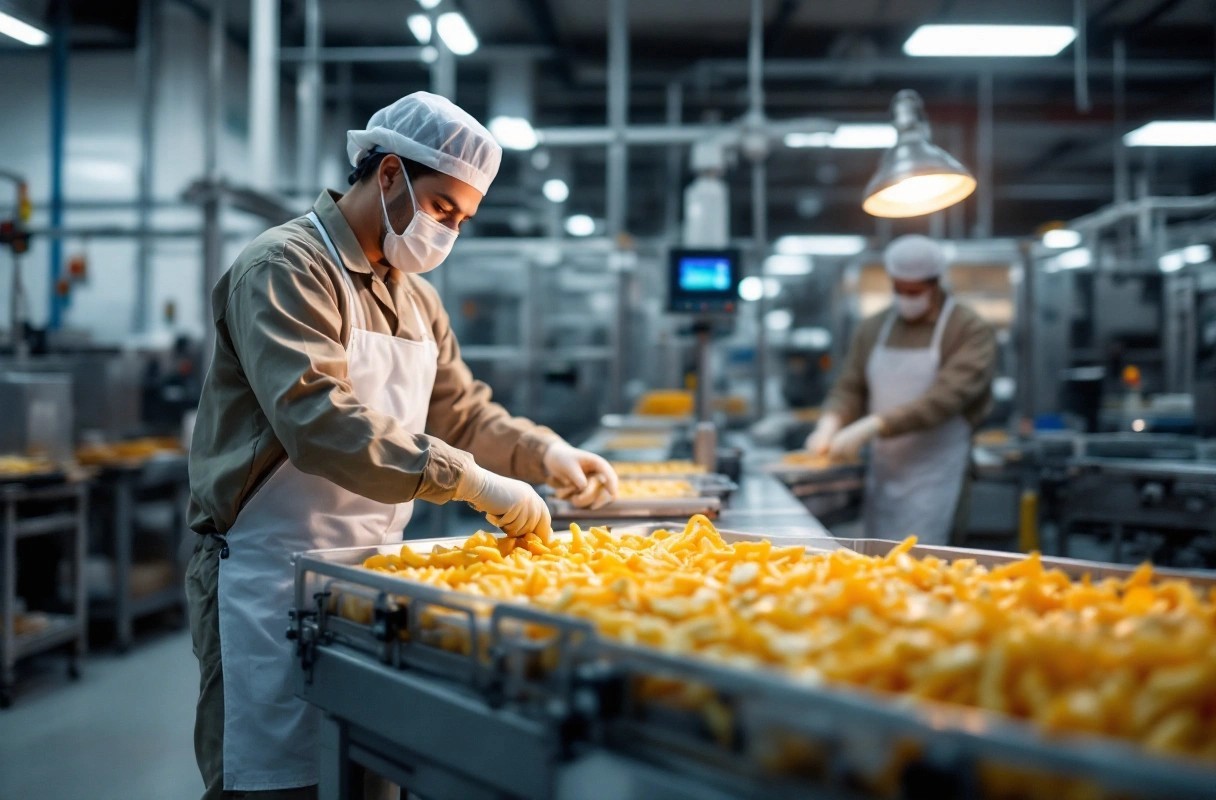
Understanding risk management principles is essential for effective food production. Risk management involves identifying potential hazards, assessing their likelihood and impact, and implementing strategies to mitigate them. During line changeovers, this means evaluating the specific risks associated with each product being produced and taking appropriate actions to minimize those risks.
To assess risks during changeovers, manufacturers should:
Conduct a hazard analysis for each product line, identifying potential contamination sources.
Implement a risk assessment matrix to prioritize the risks based on their likelihood and severity.
Develop tailored mitigation strategies for high-priority risks, ensuring that they are integrated into the changeover procedures.
By actively managing risks, food and beverage manufacturers can enhance their overall safety protocols and reduce the likelihood of foodborne illness outbreaks.
Ensuring Continuous Improvement in Food Safety Practices
Ongoing evaluation of food safety practices is vital for maintaining compliance and quality in food production. Continuous improvement involves regularly reviewing and refining safety protocols to adapt to new challenges and technologies. The food industry is constantly evolving, and staying ahead of potential risks requires vigilance and adaptability.
Strategies for refining safety protocols include:
Regular audits: Conducting internal audits of line changeover procedures helps identify areas for improvement and ensures compliance with safety standards.
Feedback mechanisms: Encouraging employees to provide feedback on changeover processes can uncover practical insights and potential improvements.
Staying informed: Keeping up with industry regulations and best practices ensures that protocols are current and effective.
By fostering a culture of continuous improvement, food manufacturers can better safeguard their products and enhance consumer trust.
Addressing Food Safety Risks with Protocol Foods
Understanding the food safety risks that increase during line changeovers is essential for any food and beverage manufacturer. By implementing structured changeover procedures and effective risk management strategies, companies can significantly reduce the likelihood of contamination. Protocol Foods provides resources and expertise to help you refine your safety practices and ensure compliance with industry standards.
Regulatory Compliance
Let our team of experts help you implement the most efficient plan to stay in compliance.