Boost Food Safety Compliance: How Automated Recordkeeping Improves HACCP Program Accuracy
November 1, 2025

With increasing scrutiny from regulatory bodies and rising consumer expectations for safe food products, businesses must implement effective systems to maintain high safety standards. One significant way to achieve this is through automated recordkeeping, which enhances the accuracy of Hazard Analysis Critical Control Point (HACCP) programs. This article explores how automated recordkeeping can streamline compliance efforts and improve the overall effectiveness of HACCP initiatives.
The Importance of Accurate HACCP Documentation

Understanding the principles of HACCP is foundational for any food safety program. HACCP is a systematic preventive approach to food safety that identifies physical, chemical, and biological hazards in production processes that can cause the finished product to be unsafe. By documenting these hazards, establishing critical control points, and monitoring procedures, food manufacturers can ensure that their products are safe for consumption.
The consequences of inaccurate recordkeeping can be severe. Inaccurate documentation can lead to non-compliance with safety regulations, resulting in hefty fines, product recalls, and damage to a company's reputation. Additionally, poor documentation can hinder the ability to trace the source of contamination during a food safety incident, complicating recovery efforts and increasing liability. Therefore, adhering to HACCP documentation best practices is essential for maintaining safety and ensuring regulatory compliance.
Leveraging Technology for Food Safety Automation
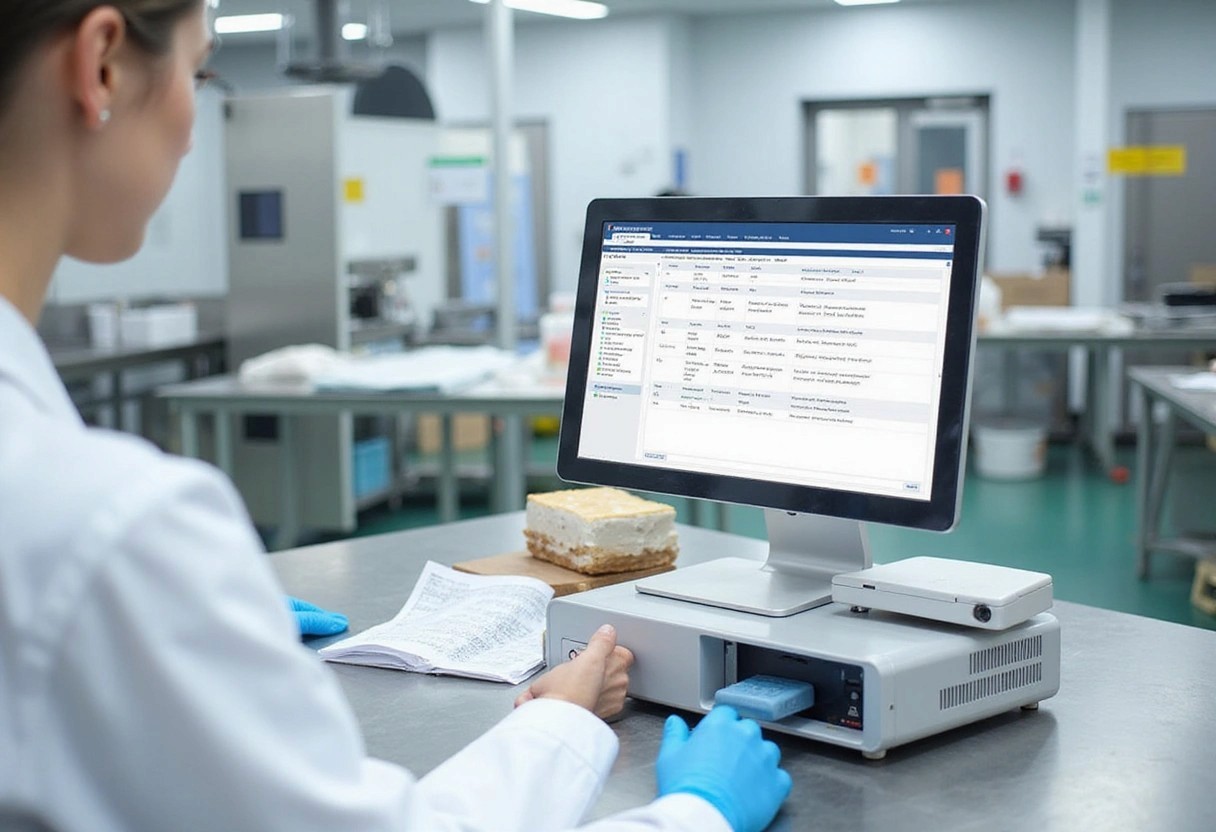
Automated recordkeeping systems are transforming the way food manufacturers manage their HACCP programs. These systems streamline data collection and documentation processes, reducing the likelihood of human error. By automating routine tasks, food safety automation allows staff to focus on more critical aspects of food safety management, such as monitoring and responding to potential hazards.
The benefits of HACCP compliance software extend beyond efficiency. Automated systems provide real-time data access, allowing for quicker decision-making and enhanced responsiveness to safety issues. Furthermore, many compliance software solutions offer features such as alerts for critical control point deviations and comprehensive reporting tools, enabling organizations to maintain compliance with minimal manual effort. This shift towards food safety automation is crucial for modern food manufacturers looking to improve their operational efficiencies while ensuring the highest safety standards.
Improving HACCP Program Efficiency Through Automation
Streamlining compliance processes is a significant advantage of automated recordkeeping. Traditional documentation methods often involve manual entry, which can be time-consuming and prone to errors. By automating these processes, food manufacturers can reduce the administrative burden on staff and improve overall workflow efficiency.
Enhanced data accessibility for audits is another critical benefit of automation. With digital recordkeeping solutions, audit trails are easily retrievable, ensuring that all necessary documentation is available for review. This accessibility not only simplifies the audit process but also helps organizations maintain transparency with regulatory bodies. By improving HACCP program efficiency through automation, companies can better allocate their resources and focus on continuous improvement in food safety practices.
Real-time Monitoring: The Future of Food Safety
The integration of real-time data collection into HACCP programs represents a significant advancement in food safety practices. Real-time monitoring HACCP allows organizations to track critical control points continuously, ensuring that any deviations are detected and addressed immediately. This proactive approach minimizes the risk of unsafe products reaching consumers.
Successful implementations of real-time monitoring systems can be seen across various sectors of the food industry. For example, many manufacturers now employ temperature monitoring systems that send alerts when products are outside safe temperature ranges. This capability not only helps prevent spoilage but also enhances compliance with safety regulations. As the food industry continues to evolve, the adoption of real-time monitoring will be essential for maintaining high safety standards.
Ensuring Data Accuracy in Food Safety Practices
Data integrity is paramount in food safety practices. Accurate data collection and management are critical for identifying trends, making informed decisions, and ensuring compliance with HACCP requirements. Automated solutions play a vital role in supporting data accuracy by minimizing human error and providing standardized processes for data entry.
Automated recordkeeping systems also facilitate better data validation and verification, ensuring that only accurate information is used in decision-making processes. By implementing these solutions, food manufacturers can significantly reduce the risks associated with inaccurate data, thereby enhancing their overall food safety practices. In an industry where the stakes are high, ensuring data accuracy in food safety is not just a best practice; it is a necessity.
Enhancing HACCP Program Accuracy Through Automation
As food safety regulations continue to evolve, the need for accurate and efficient HACCP programs becomes increasingly important. Automated recordkeeping systems provide food and beverage manufacturers with the tools necessary to improve HACCP program accuracy and compliance. By leveraging technology, organizations can streamline their processes, enhance data accuracy, and ensure that they meet regulatory standards.
Protocol Foods offers automation tools specifically designed for this purpose—helping teams digitize HACCP tasks, capture real-time data, and ensure compliance through smart, cloud-based documentation.
We understand the challenges faced by food and beverage manufacturers in maintaining compliance and quality. Our automated recordkeeping solutions are designed to support your HACCP initiatives, providing you with real-time monitoring, streamlined documentation processes, and improved data accuracy. By integrating our systems into your operations, you can focus on what matters most: producing safe, high-quality food products.
For plant managers, FSQA directors, and operations leaders responsible for compliance and quality, we invite you to visit our website or contact us for more information on how Protocol Foods can assist you in enhancing your HACCP program accuracy through automated recordkeeping. Embrace the future of food safety with us and ensure that your organization remains at the forefront of compliance excellence.
Regulatory Compliance
Let our team of experts help you implement the most efficient plan to stay in compliance.