What Role Does Water Temperature Play in Effective Food Sanitation
December 15, 2025
Water temperature plays a critical role in ensuring food safety and preventing illness. The temperature at which food is cleaned, sanitized, and prepared can significantly impact the effectiveness of sanitation processes. In this article, we will explore how water temperature influences effective food sanitation, detailing best practices and guidelines that can help food and beverage manufacturers maintain compliance and ensure the highest safety standards.
The Importance of Water Temperature in Food Safety
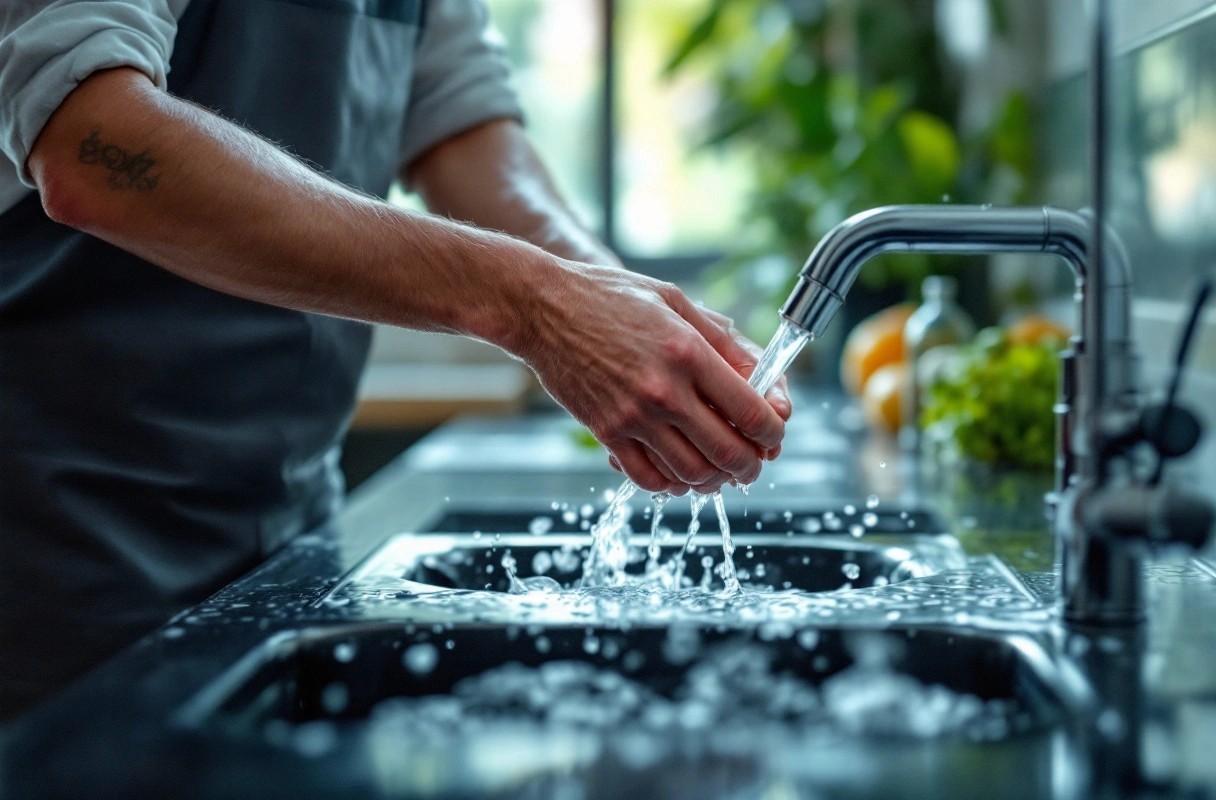
Water temperature is fundamental to effective food sanitation. It affects the efficacy of cleaning solutions and the overall sanitation process. Using water that is too cold may not activate cleaning agents effectively, while excessively hot water can damage some surfaces or even alter the food product itself. The optimal temperature range for sanitizing solutions typically falls between 75°F and 120°F (24°C to 49°C). This range ensures that cleaning agents are activated, allowing them to work efficiently against pathogens and contaminants.
Proper water temperature also reduces the risk of foodborne illnesses. Many bacteria thrive in specific temperature ranges, and using water at the right temperature can help eliminate these pathogens. For example, washing produce in water that is too cold may not effectively remove harmful microorganisms, while hot water can help kill bacteria like Salmonella and E. coli.
Understanding Temperature Control in Kitchens
Temperature control in kitchens is essential for both food safety and sanitation. Proper temperature standards for food handling dictate that cold foods should be kept at or below 41°F (5°C) and hot foods should be maintained at or above 135°F (57°C). These guidelines help prevent the growth of harmful bacteria during food preparation and storage.
Monitoring temperature during food preparation is equally important. This can be accomplished through the use of thermometers and temperature monitoring systems. Regularly checking the temperature of water used for cleaning and sanitizing is vital to ensure compliance with health department regulations. Implementing a systematic approach to temperature control can significantly enhance food safety and sanitation practices in any kitchen.
Essential Food Safety Practices for Sanitation
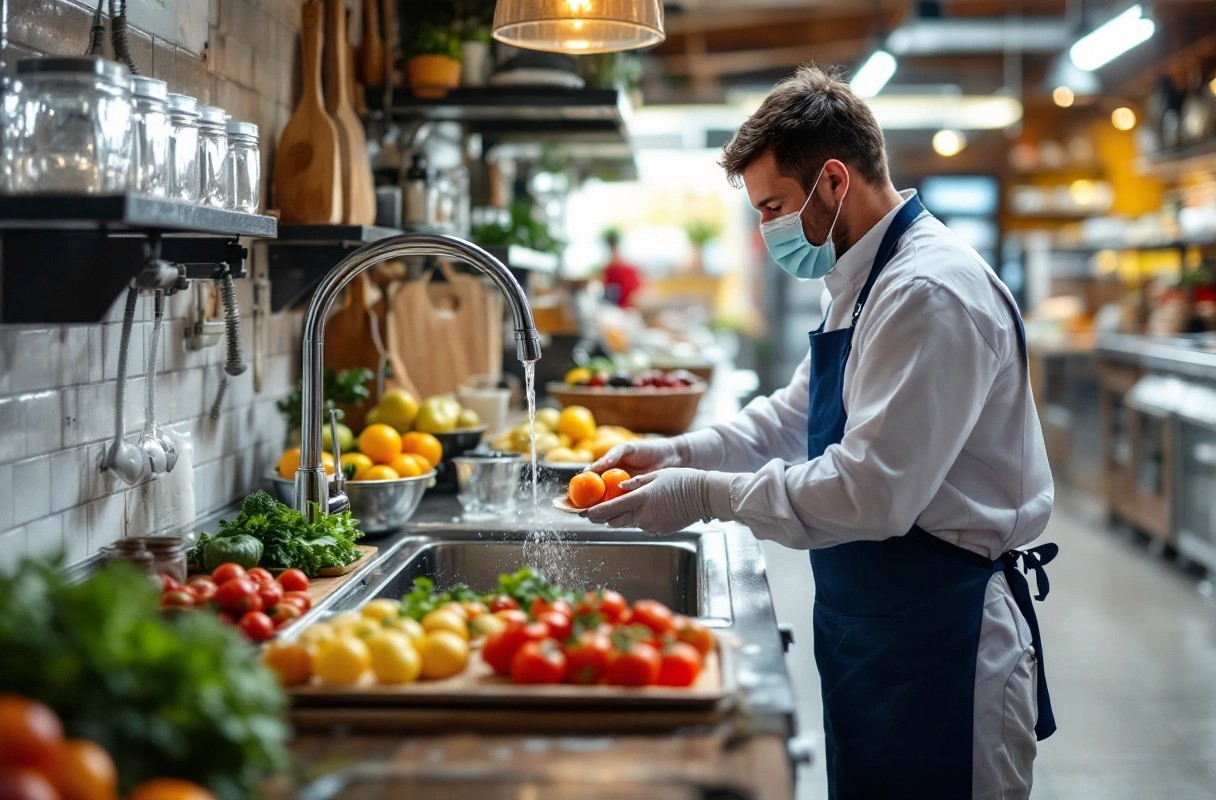
Key sanitation guidelines to follow include ensuring that all surfaces and utensils are cleaned and sanitized at the appropriate temperatures. This involves using hot water and effective sanitizing solutions, which should be applied according to the manufacturer's instructions. Regular training for kitchen staff on proper cleaning and sanitizing procedures can help reinforce these practices.
The role of temperature in effective cleaning techniques cannot be overstated. For instance, many commercial dishwashers operate at high temperatures, often exceeding 140°F (60°C), to ensure that dishes are not only cleaned but also sanitized. Understanding the relationship between water temperature and the effectiveness of these cleaning techniques is essential for maintaining food safety and preventing cross-contamination.
Preventing Foodborne Illness Through Effective Practices
There is a direct connection between water temperature and illness prevention. Foodborne pathogens can proliferate in improperly sanitized environments, leading to outbreaks of foodborne illness. Health department regulations emphasize the importance of proper sanitation practices, including the use of water at the right temperatures for cleaning and sanitizing.
Compliance with these regulations is critical for food and beverage manufacturers. Regular audits and inspections can help identify areas where temperature control may be lacking. Implementing a robust sanitation program that adheres to established guidelines can help organizations mitigate risks associated with foodborne illnesses, ensuring a safe product for consumers.
The Intersection of Water Temperature and Effective Sanitation Practices
Understanding the role water temperature plays in effective food sanitation is essential for anyone involved in food and beverage manufacturing. With the potential to significantly impact food safety, adhering to sanitation guidelines and temperature control standards is non-negotiable. Protocol Foods provides valuable resources and solutions that can help organizations implement effective sanitation practices while ensuring compliance with health regulations.
For more information on how we can assist you in maintaining the highest standards in food safety and sanitation, book a call with us today.
Regulatory Compliance
Let our team of experts help you implement the most efficient plan to stay in compliance.